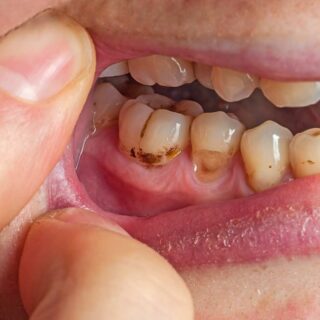
After you eat, bacteria naturally start to coat your teeth. This bacterial film is called plaque, and you might not even notice it. However, it can gradually harden into tartar if not removed by proper brushing. Over time, this hardened plaque may form calculus bridge teeth; a stubborn buildup that can connect multiple teeth and cannot be removed by regular brushing. Once tartar has developed, only a dental professional can safely remove it. Fortunately, treatments are highly effective and with consistent oral care and professional cleanings, you can prevent this issue from occurring.
What is a calculus bridge?
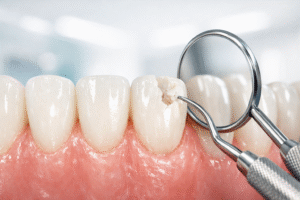
Calculus and tartar are two terms that refer to the same thing: a hardened mass of dental buildup that can extend across multiple teeth, often filling the spaces between them. Unlike plaque, which is soft and difficult to detect, calculus is a visible, clay-like substance that may appear yellowish, brown, green, or even black, depending on whether it forms above or below the gumline. As it accumulates, it can form a bridge-like structure that connects adjacent teeth, especially along the gumline. This buildup can damage tooth enamel, increase the risk of gum disease, and create a visibly discolored edge along the teeth.
How is calculus in the teeth formed?
Plaque is formed quickly after eating, especially foods high in sugars or starches. This sticky bacterial film doesn’t only develop on the teeth surface but extends to gumline, and dental restorations as well. If not removed quickly and effectively through brushing it usually reacts with minerals in saliva and gradually hardens into calculus. This hardened substance is made of calcium, bacteria, and organic debris, and once formed, it can no longer be removed by regular brushing; it requires professional dental cleaning. Poor or inconsistent oral hygiene is the main cause behind this buildup.
Factors increase the risk of calculus bridge teeth
- Smoking.
- Dry mouth due to some medications.
- Ageing, usually over 65.
- Pregnancy could increase the possibility of tartar buildup.
- Diabetes.
- Family history with calculus formation.
Complications of delayed heavy tartar removal
If that tartar buildup, or calculus, is ignored and not treated, it can cause some serious problems for your oral health. This could include:
- Bad Breath (Halitosis): Built-up tartar traps bacteria that release smelly gases, leading to persistent bad breath.
- Gingivitis: The gums may become red, swollen, and bleed during brushing or flossing which is an early sign of gum disease.
- Receding Gums: Tartar buildup can cause gums to pull away from the teeth, exposing roots and deepening gum pockets.
- Cavities: Tartar makes it hard for your toothbrush to reach your teeth, allowing bacteria to create acids that cause your enamel to erode and lead to cavities.
- Tooth Loss: If left untreated, tartar can lead to severe gum disease (periodontitis), damaging bone and causing teeth to loosen or fall out.
Managing calculus in the teeth: effective treatments
- Professional Cleaning: Brushing isn’t enough for dental tartar removal. A dentist must perform a professional cleaning to remove it effectively.
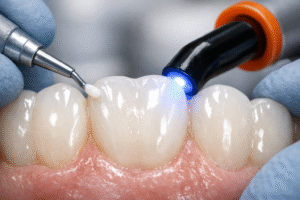
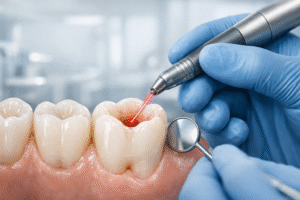
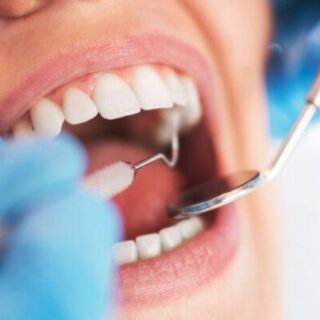
- Scaling: A common method where specialized tools are used to scrape tartar off the teeth, especially above the gumline.
- Root Planing: If the tartar has formed below your gum line, dentists use a technique called root planing to smooth out the tooth roots and remove it. This involves smoothing the root surfaces after scaling to remove deep deposits and prevent further bacterial buildup.
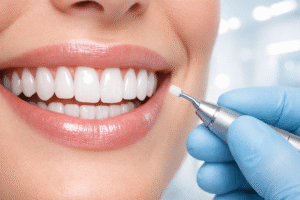
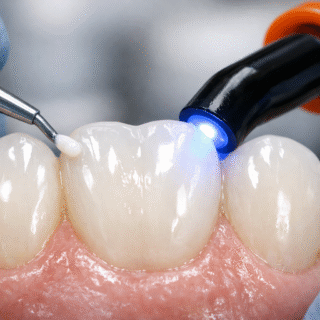
- Polishing: After removing the tartar, your teeth are polished to smooth the surfaces, helping to prevent future buildup and improve appearance.
Sometimes, if the calculus is extensive, you might need to go to the dentist more than once to get it all cleared.
Preventing hard plaque on teeth: 5 simple tips
- Practice good oral hygiene through daily brushing and flossing to prevent any deposits. Make sure you brush using the correct brushing teeth technique.
- Limit consuming sugary foods and beverages as they form plaque which eventually develop into calculus.
- Don’t ignore periodical dental visits. These visits help the dentist spot any issues and treat them early before they develop into a more serious condition.
- Consider using mouthwash to reduce bacteria in your mouth. Choose mouthwashes that serve your specific health needs.
- Try to avoid smoking as it is a main cause of multiple dental issues, on top of them is the buildup of calculus. Note that vaping isn’t safer than smoking as some may assume.
When to schedule a dentist appointment?
Since prevention is better than cure, it is important to schedule regular dental visits optimally every 6 months. However, there are a few symptoms that will tell you that you have already developed dental calculus. If you notice any dark spots ranging in color from white or light yellow to dark brown or black this might be a good sign you need to see a dentist.
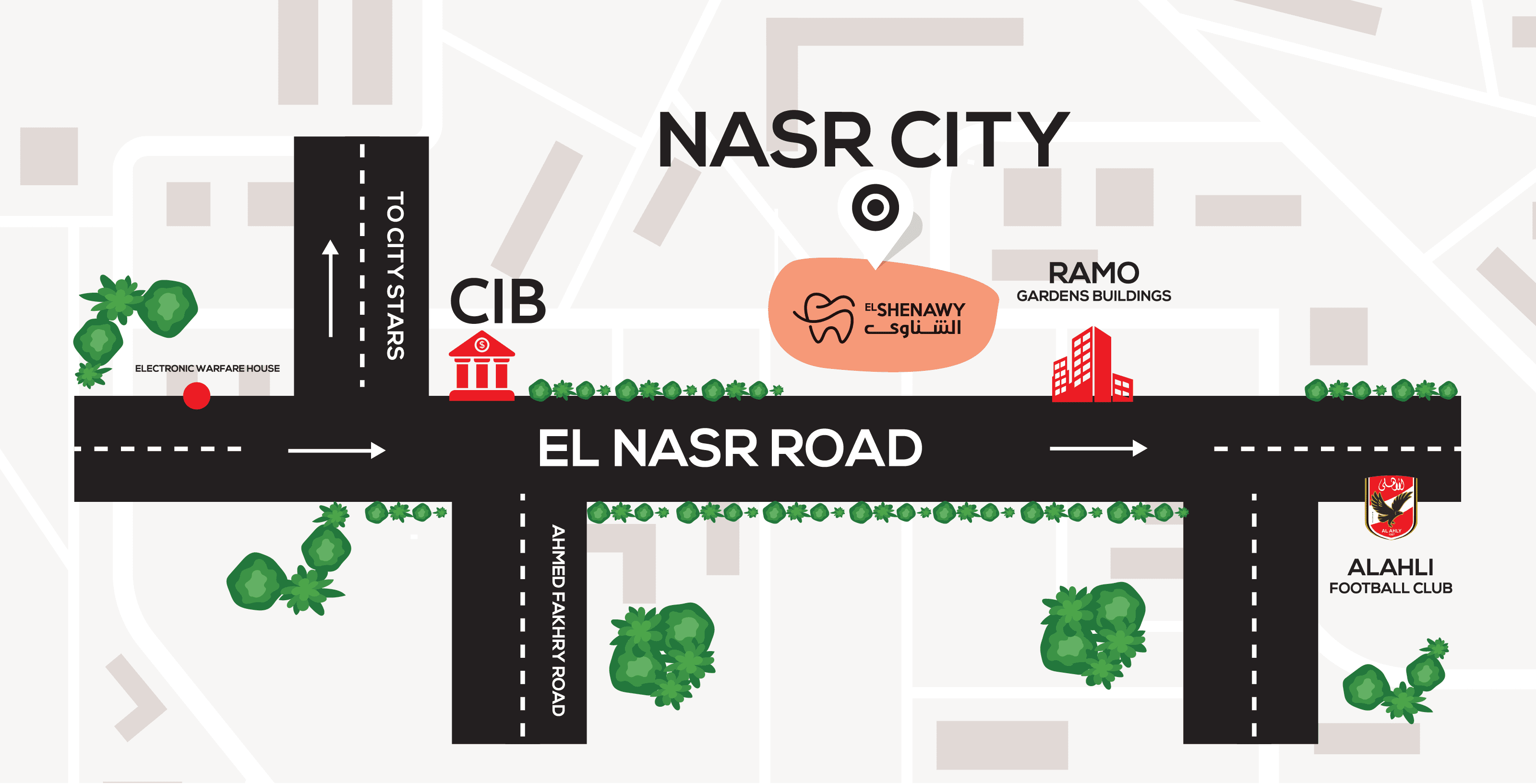
El-shenawy dental centres will provide you with advanced care and offer treatment plans tailored to your specific case. After doing the necessary assessments, you’ll receive exceptional oral care delivered by experienced professionals using state-of-the-art technology, ensuring your comfort, health, and long-term results.
Conclusion
Maintaining good oral hygiene habits consistently is crucial to stop forming calculus bridge teeth. While tartar buildup can be stubborn and damaging, it’s entirely manageable with the right care. Catching the early warning signs and taking action quickly can save you from more complicated treatments later on. If you think you might have tartar building-up on your teeth, it’s important to make an appointment with your dentist right away.
Known for their commitment to excellence, El-Shenawy Dental Centres offer expert diagnosis and advanced solutions for every stage of oral health.
Book your consultation with us today
Frequently asked questions
- How fast can plaque develop into tartar?
Plaque can harden and form calculus bridge teeth in as little as 1 to 14 days.
- What is the difference between plaque and tartar?
Plaque is a soft, invisible and hard to detect film of bacteria that forms right after eating, especially if oral hygiene isn’t done properly. On the other side, tartar is the hardened, tough, and visible substance caused due to unremoved plaque, that can no longer be removed by brushing alone.