Modern dentistry has come a long way from simple fillings and metal crowns. Today, it’s about blending precision, comfort, and aesthetics to restore smiles that look and feel completely natural. Among the most sought-after options in restorative dentistry is the ceramic dental prosthesis; a solution that combines long-lasting strength with unmatched beauty.
If you’re looking for a restoration that mirrors the color and texture of your natural teeth while being gentle on your gums, ceramic prostheses offer the perfect balance.
In this blog, we will explain what they are, their key advantages, how they differ from other materials, and why they’re trusted by patients who value both function and appearance.
What is a ceramic dental prosthesis?
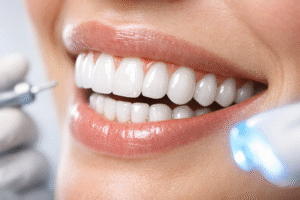
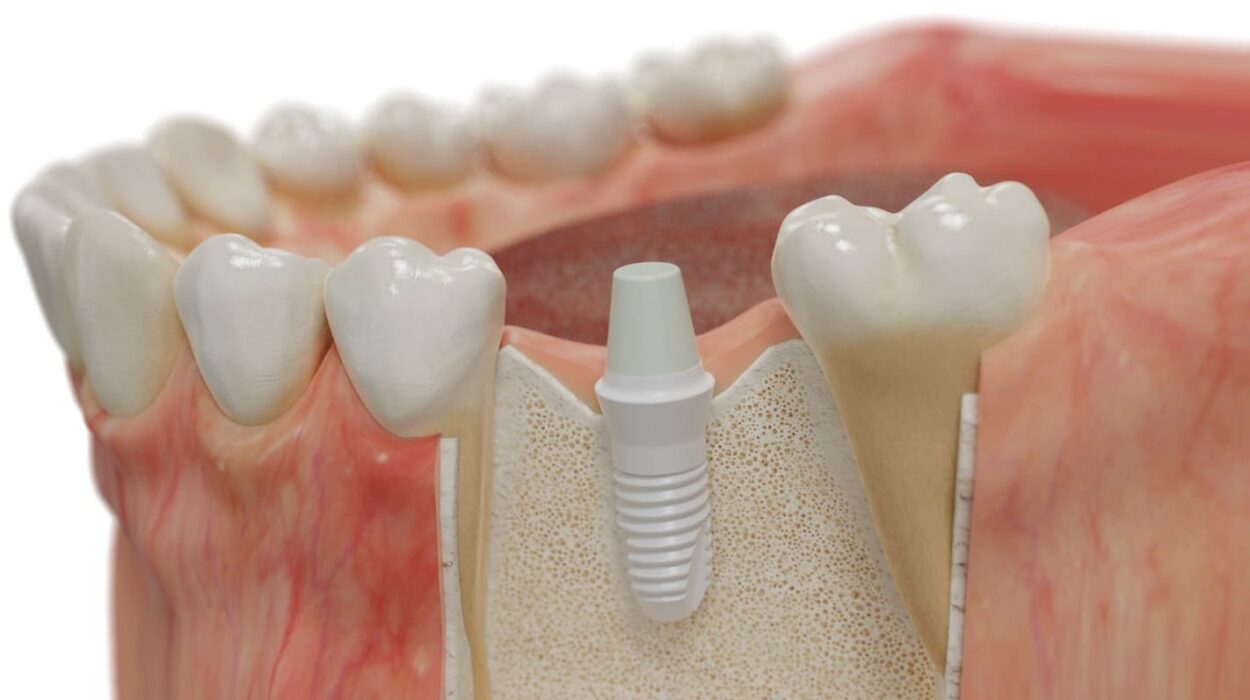
A ceramic dental prosthesis refers to any restoration such as a crown, bridge, veneer, or full dental replacement made entirely or primarily from ceramic materials. These ceramics are crafted using advanced technology to replicate the natural enamel of your teeth, reflecting light and matching shade with exceptional precision for a lifelike finish.
Types of Dental Ceramics
Modern dental ceramics come in several forms, each designed for specific restorative needs.
- Feldspathic Porcelain: Known for its high translucency and lifelike beauty, ideal for veneers and front teeth.
- Lithium Disilicate (e.max): Offers a perfect balance of strength and aesthetics, commonly used for crowns and bridges.
- Zirconia-Reinforced Ceramics: Extremely durable, suited for molars and high-bite areas while maintaining a natural look.
Each type offers unique advantages, and your dentist selects the material that best matches your treatment goals.
Advantages of ceramic dental prostheses
Ceramic restorations have become the preferred choice for patients seeking natural-looking, durable solutions. Their benefits go far beyond aesthetics:
- Natural Aesthetics: Ceramic materials closely resemble real tooth enamel in color, shine, and translucency. They blend seamlessly with neighboring teeth, making them ideal for visible areas like the front teeth.
- Biocompatibility: Being metal-free, ceramics are gentle on the gums and safe for patients with metal allergies or sensitivities.
- Durability: High-strength ceramics withstand everyday chewing and grinding forces, maintaining stability for many years.
- Resistance to Stains: Their smooth, glazed surface resists discoloration from coffee, tea, or other common stains.
- Preservation of Tooth Structure: Ceramic restorations often require minimal tooth reduction, preserving more of your natural tooth.
Ceramic vs. metal or resin prostheses
|
Feature |
Ceramic Prosthesis | Metal Prosthesis | Resin Prosthesis |
|
Appearance |
Tooth-colored and translucent for a natural look |
Silver or gold in color |
Can mimic teeth but less natural than ceramic |
|
Biocompatibility |
100% metal-free and hypoallergenic |
May cause gum irritation or dark lines |
Biocompatible but less durable |
|
Durability |
Highly durable with modern ceramics |
Very strong but less aesthetic |
Prone to wear and discoloration |
| Comfort | Neutral to temperature and taste | Conducts heat and cold |
Comfortable but less precise in fit |
|
Higher due to material quality and lifelike aesthetics |
Moderate, depending on metal type |
Lower, but shorter lifespan and less natural appearance |
|
|
Maintenance |
Easy to clean and resistant to stains |
Resistant but aesthetic concerns |
Requires more frequent replacement |
Ceramics offer the ideal middle ground, they’re durable like metal yet beautiful like natural enamel. For patients who prefer restorations that are safe, long-lasting, and aesthetically pleasing, ceramic restoration remains the superior choice.
How ceramic prostheses are made and fitted
The process of getting a ceramic dental prosthesis is carefully planned to ensure both precision and comfort:
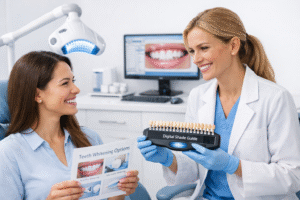
- Consultation & Assessment: Your dentist examines your oral health, takes digital scans, and discusses your aesthetic goals.
- Tooth Preparation: The affected tooth or area is gently reshaped to accommodate the new restoration.
- Digital Design: Using modern technology, a custom ceramic prosthesis is designed to match the exact size, shape, and color of your natural teeth.
- Fabrication: The prosthesis is milled or layered from high-strength ceramic blocks in a dental laboratory.
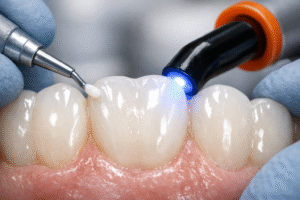
- Placement & Adjustment: The restoration is bonded securely and fine-tuned for a perfect bite and natural look.
Everyday habits for a lasting ceramic prosthesis
Ceramic dental prostheses are designed for longevity, but proper care ensures they continue looking their best:
- Make sure to brush your teeth twice a day with a soft-bristle toothbrush and a gentle toothpaste that isn’t too harsh.
- Floss carefully around the prosthesis to prevent plaque buildup.
- Try to avoid chewing on hard things such as nuts or ice.
- Schedule professional cleanings and checkups every six months.
- Ask your dentist about occasional polishing to maintain the ceramic’s glossy finish.
El-Shenawy Dental Centres approach to ceramic prostheses
At El-Shenawy Dental Centers, restorative dentistry is where innovation meets artistry. Our ceramic dental prosthesis is crafted using advanced imaging systems that ensure perfect accuracy with minimal chair time.
Each prosthesis is customized for shade, shape, and contour to blend flawlessly with your natural teeth. Our team of specialists combines clinical precision with aesthetic expertise, delivering restorations that restore function and enhance your confidence at the same time.
Restore the strength and beauty of your smile
Enhance your smile with metal-free restorations that look and feel completely natural. At El-Shenawy Dental Centers, every treatment is a chance to renew your confidence and bring harmony back to your smile.
Let our specialists guide you through a comfortable, personalized journey toward lasting beauty and complete oral well-being. Book your consultation today!
Frequently asked questions
-
Is getting a ceramic prosthesis painful?
No. The procedure is performed under local anesthesia, ensuring complete comfort. You might feel minor tenderness afterward, which fades quickly.
-
How long do ceramic prostheses usually last?
With regular dental checkups, good oral hygiene, and proper care, they can last 10–15 years or more while maintaining their color and strength.
-
Are ceramic dental prostheses suitable for patients with sensitive gums or allergies?
Yes. Ceramic materials are metal-free, making them ideal for patients with gum sensitivities or allergic reactions to traditional metal restorations.