Gone are the days when a cavity meant a permanent dark spot in your smile. Thanks to continued advancements in dental materials, modern cosmetic fillings can now blend seamlessly with natural teeth, closely matching their shade, translucency, and strength.
However, not all cosmetic fillings are the same. Different types of cosmetic dental fillings are designed for different clinical situations. A small chip in a visible front tooth requires a different material than a restoration in a high-pressure molar. Choosing the wrong option can compromise both appearance and durability.
In this guide, we explore the most commonly used cosmetic filling materials and explain how factors such as tooth location, bite pressure, and long-term performance influence the final decision.
Composite Resin Fillings: Natural and Durable Results
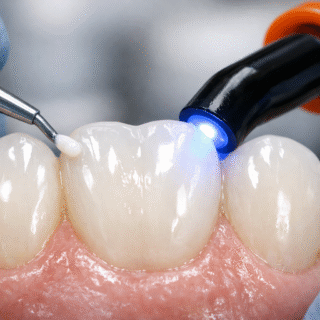
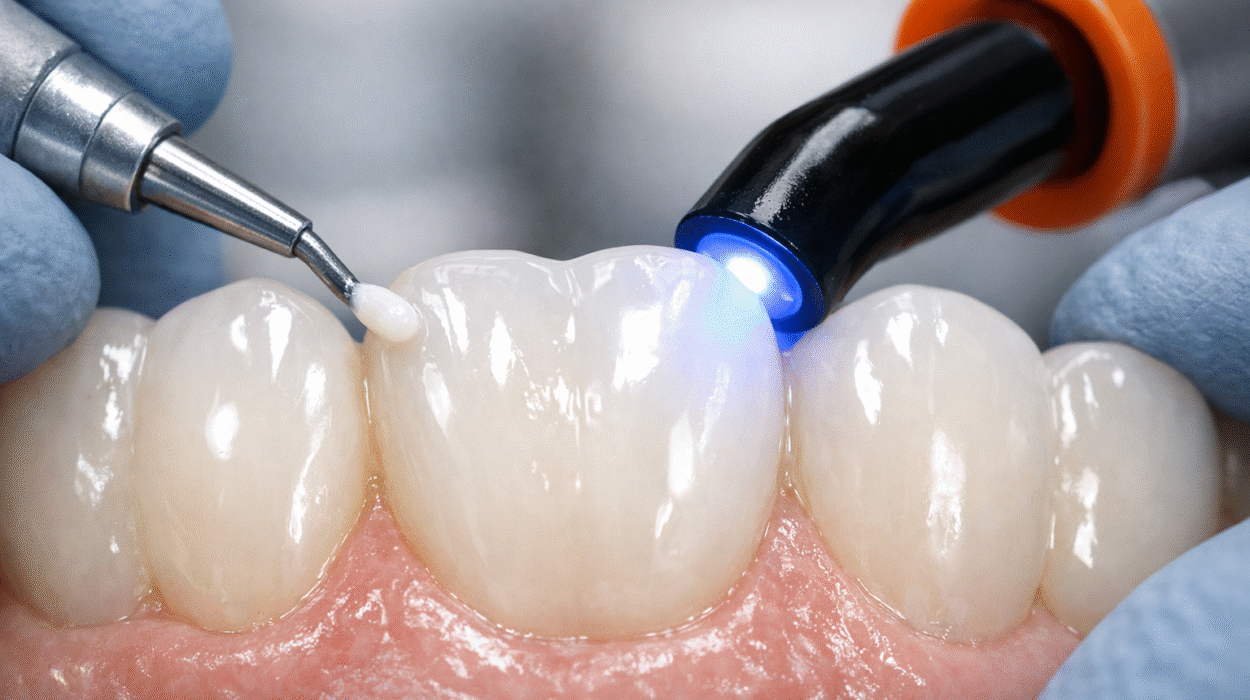
Composite resin fillings are widely used in cosmetic dentistry because they closely match the natural color of teeth while providing dependable strength for everyday function. Their ability to blend with surrounding enamel makes them a practical option for visible areas of the smile.
Composite resin fillings are commonly recommended when:
- The restoration is in a visible area such as front teeth or premolars
- A natural appearance is a priority
- The tooth requires a small to moderate restoration
- Bite pressure remains within a manageable range
From a durability perspective, composite resin offers a balanced solution. While it may not provide the same long-term stain resistance as porcelain, it delivers reliable performance and aesthetic flexibility. This makes it a versatile option across many cosmetic cases where both appearance and function matter.
Porcelain Fillings: Advanced Aesthetic Option
Porcelain fillings are chosen when achieving the highest level of aesthetic precision is the priority. The material closely replicates the translucency and light reflection of natural enamel, making it particularly effective for patients with high cosmetic expectations.
Porcelain is also highly resistant to staining, allowing it to maintain its appearance over time better than many other cosmetic materials. For this reason, it is often considered in cases where long-term color stability is especially important.
Porcelain fillings are commonly recommended when:
- A premium aesthetic result is required
- The restoration is in a visible area with high cosmetic demand
- Long-term color stability is a priority
- The restoration involves moderate stress but requires superior visual integration
Compared to composite resin, porcelain offers enhanced aesthetic longevity but may not be suitable for every case due to functional and structural considerations. When used appropriately, it provides refined, natural-looking results that closely mimic untouched enamel.
Glass Ionomer Fillings: Functional with Limited Cosmetic Appeal
Glass ionomer fillings are primarily used for their functional and protective benefits rather than their cosmetic performance. Although they can be matched to tooth color to a limited extent, they do not achieve the same natural appearance as composite resin or porcelain fillings.
A key feature of glass ionomer is its ability to release fluoride over time, which can help support tooth protection in certain situations. For this reason, it is often considered when preventing further decay is a priority.
Glass ionomer fillings are commonly recommended when:
- Cosmetic expectations are lower
- Additional protection against decay is needed
- The restoration is in a low-stress area
From an aesthetic perspective, glass ionomer is typically not chosen for highly visible areas of the smile, but it remains a practical option in specific, function-focused cases.
How to Choose the Right Cosmetic Filling Type for Your Case؟
Choosing the right cosmetic filling depends on more than appearance alone. The different types of cosmetic dental fillings are designed to perform differently depending on clinical and functional factors that affect long-term results.
Key factors that guide cosmetic filling selection include:
- Tooth location, especially whether the tooth is visible when smiling
- Bite pressure, which affects how well a material withstands daily chewing
- Size of the restoration, as larger fillings require greater structural support
- Aesthetic expectations, including color matching and natural appearance
- Lifestyle considerations, such as habits that may increase staining or wear
- Why Professional Evaluation Matters in Filling Selection
While understanding the different types is important, selecting the right option ultimately depends on professional evaluation.
Dentists assess factors that are not always visible, such as bite alignment, chewing forces, and the remaining strength of the tooth structure. These details directly affect how a filling will function over time and whether it can maintain both its appearance and durability.
Professional evaluation also helps prevent common issues such as premature wear, cracking, or aesthetic mismatch. By considering the interaction between the filling material and the surrounding teeth, dentists can choose an option that supports long-term stability rather than short-term cosmetic results.
This clinical approach ensures that cosmetic fillings are selected based on performance, safety, and longevity, not appearance alone.
Expert Cosmetic Filling Selection at El-Shenawy Dental Centers
At El-Shenawy Dental Centers, cosmetic filling selection is guided by careful clinical evaluation rather than a one-size-fits-all approach. Each case begins with a thorough assessment of tooth condition, bite function, and aesthetic requirements to determine the most suitable option among the available types of cosmetic dental fillings.
The dental team focuses on preserving natural tooth structure while selecting materials that balance appearance, durability, and long-term performance. By combining clinical expertise with modern diagnostic tools, dentists at El-Shenawy ensure that cosmetic fillings are chosen based on function as much as aesthetics.
This personalized approach allows patients to receive treatment plans tailored to their specific needs, ensuring that the selected cosmetic filling supports both natural-looking results and long-term oral health.
Frequently asked questions
How long do cosmetic dental fillings last?
Composite resin fillings usually last 5 to 10 years, while porcelain fillings (inlays or onlays) can last 15 years or more.
Which cosmetic filling looks the most natural?
Porcelain fillings offer the most natural appearance due to their superior translucency and long-term color stability.
Can cosmetic dental fillings stain over time?
Composite resin fillings may stain gradually, especially with frequent consumption of coffee, tea, or smoking. Porcelain fillings are more stain-resistant and tend to maintain their color for longer.