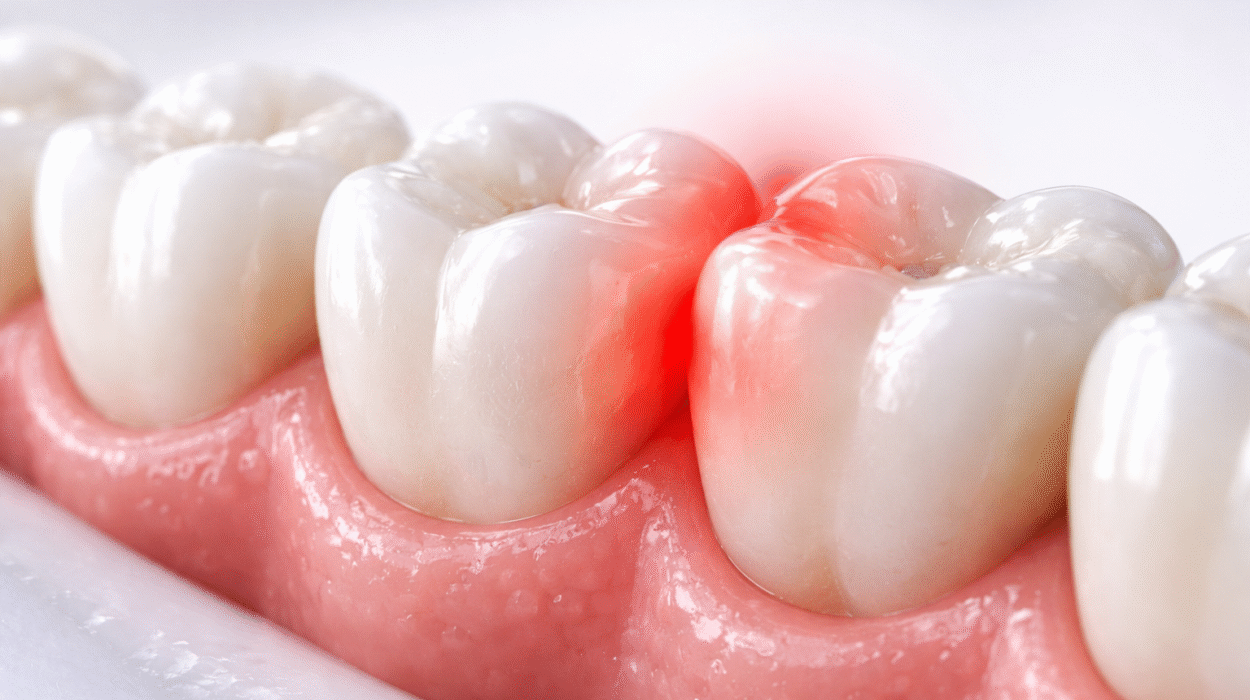
Toothache is one of the most common problems that can disrupt your routine and affect your sleep. Globally, more than 2 billion adults live with untreated tooth decay, one of the leading causes of dental pain. Each year, millions seek emergency care for severe toothaches that could have been treated earlier with simple intervention.
Tooth pain is not simply an inconvenience. It is a clinical warning sign that something requires professional attention, whether the underlying cause is tooth decay, infection, gum disease, or structural damage. Identifying the source early and seeking timely treatment can prevent complications, reduce treatment complexity, and protect your long-term oral health.
Most Common Causes of Toothache
Tooth pain does not happen without a reason. In most cases, it is the result of an underlying dental condition that progresses over time. Determining the underlying cause is essential for selecting the appropriate treatment.
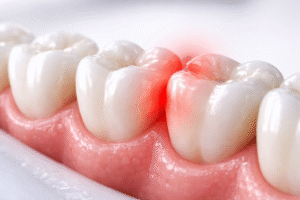
- Tooth Decay and Cavities: The most common cause of toothache. As decay reaches deeper layers, it irritates the nerve and triggers sensitivity or sharp pain.
- Dental Abscess: A bacterial infection at the tooth root or gum that causes severe, throbbing pain, swelling, and sometimes fever. Requires urgent treatment.
- Gum Disease: Inflamed or infected gums can cause tenderness, bleeding, and root exposure that leads to discomfort.
- Cracked or Broken Tooth: A hidden crack can expose the inner nerve, causing pain when chewing or with hot and cold foods.
- Impacted Wisdom Teeth: Partially erupted wisdom teeth can create pressure and infection, resulting in pain and swelling.
- Teeth Grinding: Ongoing clenching or grinding strains the teeth and jaw, often causing dull, persistent pain.
Different Types of Tooth Pain and What They Usually Indicate
- Sharp, Sudden Pain: Often linked to cavities, enamel erosion, or small cracks in the tooth. The discomfort may be triggered by sweets, cold drinks, or air exposure.
- Throbbing, Persistent Pain: Frequently associated with infection or a dental abscess. This type of pain may intensify over time and can radiate to the jaw or ear.
- Sensitivity to Hot or Cold: May indicate early decay, exposed tooth roots, worn enamel, or a failing filling. If the sensitivity lingers, the nerve may be involved.
- Pain When Chewing or Biting: Commonly related to a cracked tooth, deep cavity, or inflammation around the tooth root.
- Dull, Constant Ache: Can result from teeth grinding, jaw tension, or pressure from impacted wisdom teeth.
Fast, Temporary Toothache Relief at Home
Home remedies can help reduce discomfort for a short period, but they do not treat the underlying cause. If pain persists or worsens, professional dental care is necessary.
- Over-the-Counter Pain Relievers: Anti-inflammatory medications such as ibuprofen can reduce pain and swelling when taken as directed.
- Cold Compress: Applying a cold pack to the outside of the cheek for 15 to 20 minutes can help numb the area and control inflammation.
- Warm Saltwater Rinse: Rinsing gently with warm saltwater can reduce bacteria and soothe irritated gum tissue.
- Clove Oil: A small amount applied carefully to the affected area may provide temporary numbing due to its natural anesthetic properties.
Warning Signs You Shouldn’t Ignore
- Severe or Worsening Pain: Intense pain that does not improve with medication may signal deep infection or nerve involvement.
- Facial or Jaw Swelling: Swelling around the cheek, jaw, or neck can indicate an abscess or spreading infection.
- Fever or General Illness: Tooth pain accompanied by fever, fatigue, or a bad taste in the mouth may point to a bacterial infection.
- Difficulty Swallowing or Breathing: This is a medical emergency and requires immediate care.
- Pain Lasting More Than 48 Hours: Persistent discomfort rarely resolves on its own and usually indicates an underlying issue that needs treatment.
Most Effective Dental Treatments for Toothache
The right treatment depends on the underlying cause of the pain. A clinical examination and imaging help determine the most effective and conservative solution.
- Dental Fillings: Used to treat early to moderate cavities before the nerve is affected. This stops pain and restores the damaged area.
- Root Canal Treatment: Required when infection reaches the inner pulp. The infected tissue is removed to eliminate pain and preserve the natural tooth.
- Dental Crown: Used to strengthen and protect a tooth that is severely damaged, cracked, or treated with a root canal.
- Tooth Extraction: Recommended when the tooth cannot be restored. Removal prevents further infection and complications.
- Professional Gum Treatment: Deep cleaning procedures used when gum disease is causing inflammation, root exposure, or discomfort.
Smart Ways to Prevent Future Tooth Pain
- Maintain Proper Oral Hygiene: Brush twice daily with fluoride toothpaste and floss regularly to remove plaque buildup between teeth.
- Schedule Regular Dental Checkups: Professional exams and cleanings help detect cavities and gum problems before they become painful.
- Address Dental Issues Early: Treating small cavities, cracks, or gum inflammation promptly prevents deeper infection.
- Use a Night Guard if You Grind Your Teeth: Managing bruxism protects teeth from wear, fractures, and jaw strain.
- Limit Sugary and Acidic Foods: Reducing sugar intake lowers the risk of decay and enamel erosion.
Why Choose El-Shenawy Dental Clinics for Toothache Treatment
At El-Shenawy Dental Clinics, toothache cases are managed through a structured, diagnosis-first clinical approach focused on precision, comfort, and long-term results.
Our Approach Includes:
- Comprehensive Digital Diagnosis: Identifying the exact source of pain before recommending treatment.
- Immediate Care for Urgent Cases: Same-day appointments to prevent complications.
- Specialized Treatment Expertise: Restorative, endodontic, and surgical care under one roof.
- Pain-Controlled Procedures: Modern techniques designed to minimize discomfort.
- Conservative, Tooth-Preserving Solutions: Prioritizing treatments that maintain your natural tooth whenever possible.
This approach ensures faster relief, fewer complications, and treatment plans tailored to your specific condition.
Stop the Pain Before It Gets Worse
Book your consultation with El-Shenawy Dental Clinics to identify the exact cause of your toothache and receive targeted treatment without delay.
Early evaluation can prevent infection, reduce treatment complexity, and protect your natural tooth. Our team provides comprehensive evaluation and tailored care to restore comfort and protect your oral health.
Schedule your appointment today and take control of your dental health before the problem escalates.
Frequently Asked Questions
- Can a toothache go away on its own?
In some cases, mild sensitivity may decrease temporarily. However, persistent tooth pain usually indicates decay, infection, or structural damage that requires professional treatment. Ignoring it can allow the problem to worsen.
- Can I take antibiotics for a toothache?
Antibiotics may be prescribed if there is a bacterial infection, but they do not treat the source of the problem. Dental treatment is usually required to fully resolve the issue.