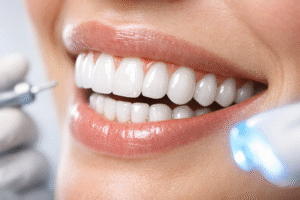
Modern restorative dentistry is constantly evolving to meet the demand for materials that are both durable and natural in appearance. Among today’s leading innovations is the Zirconia Dental Prosthesis, a solution that combines remarkable strength with aesthetic appeal.
Designed to restore both function and beauty, zirconia prostheses have become the preferred choice for patients who want long-lasting results without compromising comfort or safety.
What is a zirconia dental prosthesis?
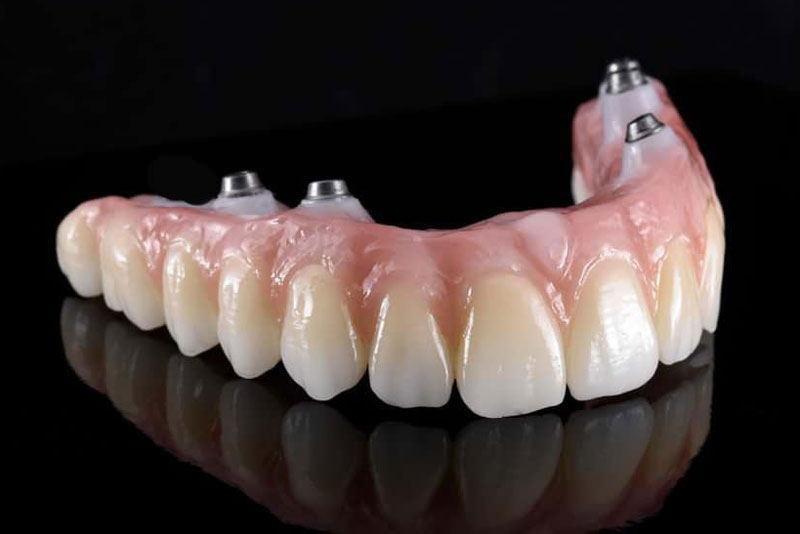
A zirconia dental prosthesis is a dental restoration made of zirconium dioxide, a type of highly durable ceramic material that has excellent strength, and biocompatibility. It can be used for crowns, bridges, and dental restorations supported by dental implants that aesthetically match the natural tooth while also being superior in durability.
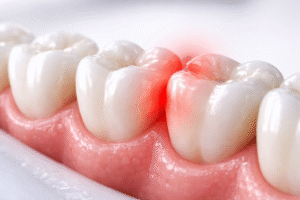
The distinct crystal structure of zirconia allows it to handle heavy bite pressure, without the potential for chipping or cracking. Zirconia’s smooth surface is kind to the gums and surrounding tissues, minimizing irritation and inflamed tissue. For the patient who prefers a non-metal option that performs as well as traditional materials, zirconia offers an ideal solution that balances performance with aesthetics.
Types of zirconia used in dental prostheses
Modern zirconia restorations are made from several types of zirconium oxide, each suited for specific applications.
- Monolithic Zirconia: A single-layer material known for exceptional strength, ideal for molars and posterior teeth that endure high chewing forces.
- Layered Zirconia: Combines a strong zirconia core with an outer porcelain layer to achieve maximum translucency and aesthetics, perfect for front teeth.
- High-Translucent Zirconia: Enhanced for light reflection and color blending, providing a natural enamel-like appearance without sacrificing durability.
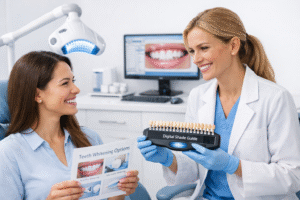
Your dentist selects the right type based on tooth position, bite force, and cosmetic preferences to ensure a seamless, balanced result.
Advantages of zirconia dental prostheses
- Exceptional Strength: Zirconia can endure intense chewing pressure, making it ideal for both front and back teeth.
- Natural Aesthetics: Advanced translucent zirconia mimics the color and brightness of real enamel for a natural look.
- Biocompatibility: Being metal-free, zirconia is hypoallergenic and well-tolerated by gum tissues.
- Minimal Wear: Its polished surface prevents excessive wear on opposing teeth.
- Longevity: With proper care, zirconia restorations can last more than 15 years.
- Stain Resistance: They maintain their color even after years of use, resisting coffee, tea, and food stains.
Limitations of zirconia dental prosthesis
While zirconia restorations are considered among the safest and most biocompatible materials, minor zirconia implants side effects are rare and easily managed when treatment is carried out by experienced specialists.
Possible Limitations:
- Appearance in front teeth: While updated formulas look very natural, zirconia might not match the same delicate shine that ceramics provide for front teeth.
- Technique sensitivity: The fabrication and placement process require precise equipment and skilled specialists to ensure long-term success.
- Surface wear in rare cases: Although zirconia is highly durable, strong bite forces or grinding habits may cause slight surface wear over time.
- Dental Prosthesis Price: Zirconia is a premium material, making it more expensive than metal or resin alternatives.
Zirconia vs ceramic prosthesis
Both zirconia and ceramic prostheses are part of the metal-free dentistry revolution, offering strong, natural-looking results. However, each serves slightly different needs.
|
Feature |
Zirconia Prosthesis |
Ceramic Prosthesis |
|
Strength |
Exceptionally strong and resistant to fracture under heavy chewing forces |
Strong but slightly less durable |
|
Appearance |
Slightly less translucent but available in high-aesthetic versions |
Highly translucent and enamel-like |
|
Best Use |
Ideal for molars, bridges, and implant restorations |
Best for veneers and front-tooth crowns |
|
Biocompatibility |
Excellent, metal-free, and gum-friendly |
Excellent, metal-free, and tissue-friendly |
|
Longevity |
Can last 15 years or more |
Typically lasts 10–15 years |
In simple terms, zirconia offers more strength and is preferred for functional durability, while ceramic remains unmatched for front-tooth aesthetics. Many modern treatments even combine both materials to achieve perfect balance.
Other alternatives to zirconia prostheses
Although zirconia is one of the most advanced restorative materials available, other options may suit certain cases depending on your needs and preferences.
Common Alternatives:
- Ceramic Prostheses: Offer a brighter, more natural appearance, making them ideal for highly visible front teeth.
- Metal-Based Restorations: Provide excellent strength and durability at a lower cost, though less aesthetic.
- Resin Restorations: Serve as temporary or short-term solutions, often used before permanent prostheses are placed.
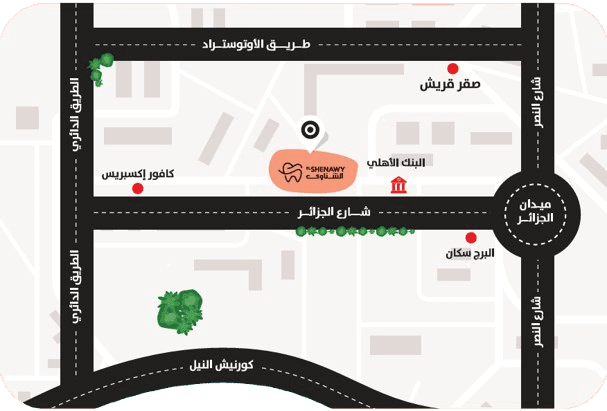
El-Shenawy Dental Centers: restorations designed to last
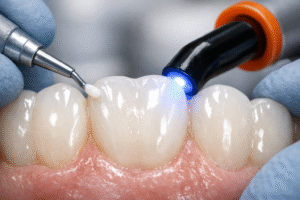
At El-Shenawy Dental Centers, our zirconia restorations are the ideal mix of strength and elegance. Each zirconia dental prosthesis is created using digital techniques to make sure it’s incredibly strong, fits perfectly, and has a natural look that enhances your smile. Our specialists team advanced technology with careful craftsmanship to provide restorations that can handle everyday use while maintaining long-term beauty.
Book your consultation today and experience the perfect balance of strength, beauty, and precision with zirconia restorations.
Frequently asked questions
-
Can zirconia prostheses stain or discolor over time?
No, zirconia is highly resistant to stains from coffee, tea, or food, keeping your smile bright for years.
-
How long do zirconia prostheses last?
With proper care and regular checkups, zirconia prostheses can last 15 years or more while maintaining their natural look and strength.