A regional study conducted in Dubai, titled “Evaluation of Dental Anxiety Levels Among Oral Surgery Patients,” reported that 72.3% of patients experienced moderate to high levels of dental anxiety, with 95% reporting fear related to tooth extraction and dental surgery. These findings highlight how common and significant dental anxiety is among patients undergoing surgical dental procedures.
When anxiety reaches this level, it can interfere with patient cooperation, comfort, and treatment safety. In such cases, and when combined with complex surgical needs or medical considerations, dental surgery under general anesthesia may be recommended instead of local anesthesia alone.
In this blog, we will explain when general anesthesia is necessary, who may benefit from it, and what patients should expect before and after treatment.
What Is General Anesthesia in Dental Surgery?
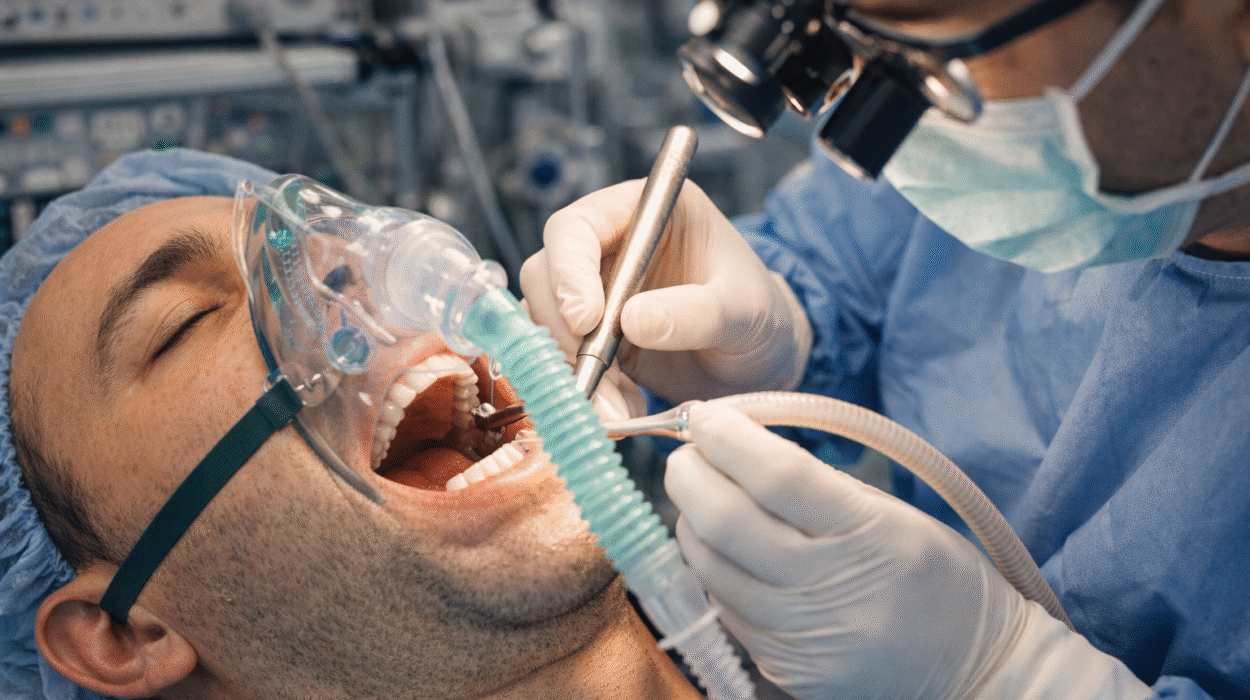
General anesthesia is a medically controlled state in which the patient is fully unconscious during dental surgery. It eliminates pain, anxiety, movement, and awareness, allowing procedures to be performed safely and efficiently.
Unlike local anesthesia, which numbs only a specific area of the mouth, general anesthesia affects the entire body and requires continuous monitoring of vital signs by a trained anesthesia team. In dentistry, it is used when surgical complexity, severe dental anxiety, or medical conditions make local anesthesia or sedation insufficient.
When Is General Anesthesia Medically Necessary?
General anesthesia is medically necessary when dental surgery requires complete patient immobility, extended operating time, or a level of pain control that cannot be achieved with local anesthesia or sedation.
It is also recommended when patient-related factors such as severe dental anxiety, strong gag reflex, or certain medical or cognitive conditions prevent safe cooperation during treatment. In some cases, completing multiple surgical procedures in a single session may also justify the use of general anesthesia.
The decision is made following a thorough clinical and medical evaluation, ensuring that the benefits of general anesthesia clearly outweigh potential risks.
Common Dental Procedures That Require General Anesthesia
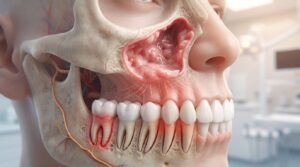
- Surgical removal of impacted wisdom teeth, especially when teeth are deeply embedded or close to nerves
- Full-mouth rehabilitation, where multiple extractions, restorations, or implants are completed in one session
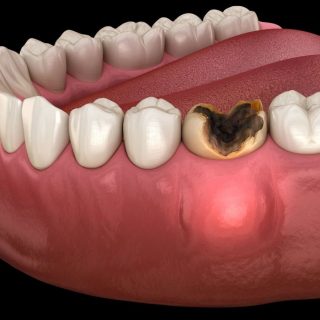
- Complex tooth extractions, particularly in cases of severe infection or structural damage
- Dental implant surgery in selected cases involving multiple implants or compromised bone
- Jaw or oral surgery procedures that require precise surgical control and extended operating time
Pre-Surgery Instructions for General Anesthesia
Proper preparation is essential for dental surgery under general anesthesia to ensure patient safety and a smooth procedure. Patients are usually given specific instructions to follow in the days and hours before surgery.
Common pre-surgery instructions include:
- Fasting before surgery, typically avoiding food and drink for several hours as instructed by the medical team
- Reviewing medical history and medications, including informing the dentist of any chronic conditions or current treatments
- Adjusting or stopping certain medications if advised by the anesthesia team
- Arranging transportation and post-surgery care, as patients cannot drive after general anesthesia
Following these instructions closely helps reduce the risk of complications and allows the dental team to proceed safely and efficiently.
What to Expect During and After Dental Surgery
On the day of dental surgery under general anesthesia, patients are placed under continuous medical monitoring to ensure safety throughout the procedure. Once anesthesia takes effect, the patient remains fully unconscious and feels no pain or awareness during surgery.
After the procedure, patients are moved to a recovery area where vital signs are monitored as the anesthesia wears off. Temporary effects such as drowsiness, mild discomfort, or nausea may occur and usually resolve within a short time. Post-surgery instructions are provided to support healing, manage discomfort, and reduce the risk of complications.
Recovery experiences vary depending on the type and extent of surgery, but most patients can return home the same day with appropriate care and supervision.
General Anesthesia vs Sedation in Dentistry
General anesthesia and dental sedation are both used to manage pain and anxiety during dental procedures, but they differ significantly in depth and application. General anesthesia places the patient in a fully unconscious state, eliminating all awareness, movement, and memory of the procedure.
Dental sedation, on the other hand, keeps the patient awake but relaxed. Depending on the level of sedation used, patients may feel drowsy and calm while still being able to respond to instructions. Sedation is often suitable for mild to moderate anxiety or less complex procedures.
The choice between general anesthesia and dental sedation depends on the complexity of the surgery, the patient’s anxiety level, medical condition, and ability to cooperate. A thorough clinical assessment helps determine the safest and most appropriate option for each case.
Why Choose El-Shenawy for Dental Surgery
Choosing the right dental center is essential when considering dental surgery under general anesthesia. At El-Shenawy Dental Centers, patient safety, clinical precision, and comfort are at the core of every surgical procedure.
At our centres, dental surgeries are performed within a carefully controlled clinical environment, supported by thorough pre-surgical assessment and continuous monitoring throughout treatment. This structured approach allows complex procedures to be carried out safely while minimizing stress and discomfort for the patient.
With experienced dental teams, strict safety protocols, and a patient-centered approach, El-Shenawy Dental Centers ensure that general anesthesia is recommended only when clinically necessary and performed with the highest standards of care.
Schedule a personalized consultation at El-Shenawy Dental Centers.
Frequently Asked Questions
- Is General Anesthesia Safe for Dental Procedures?
Yes, it is considered safe when performed in a controlled clinical setting with proper medical evaluation and continuous monitoring by a qualified anesthesia team.
- How long does recovery take after general anesthesia?
Initial recovery usually takes a few hours, while full recovery depends on the type and extent of the procedure. Most patients can return home the same day with supervision.
- Are there side effects after general anesthesia?
Temporary side effects such as drowsiness, mild nausea, or fatigue may occur but typically resolve within a short time. Your dental team will provide clear post-surgery instructions to support recovery.