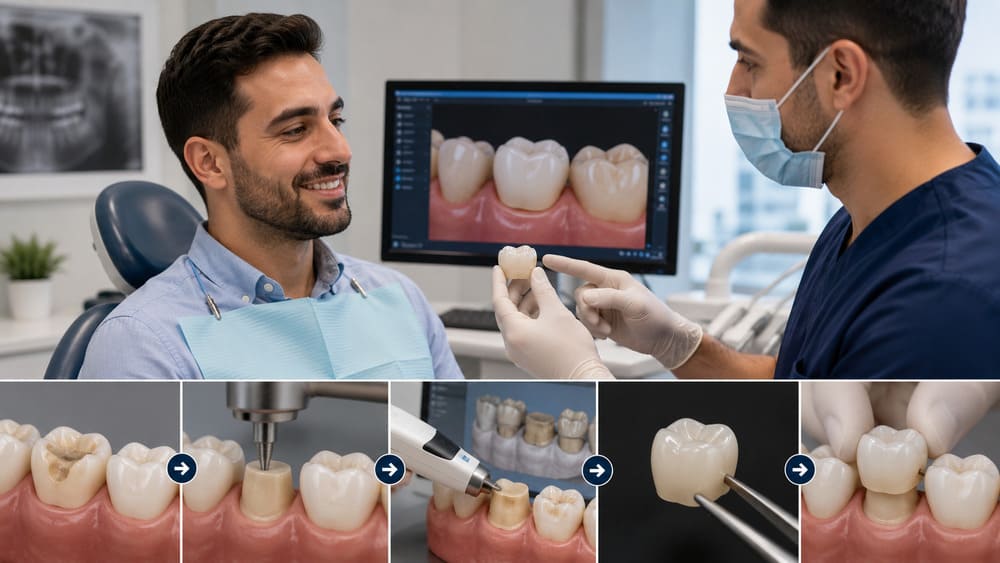
In restorative dentistry, the “perfect crown” once felt impossible. Patients often had to choose between the durability of metal crowns and the more natural appearance of porcelain, which could be more vulnerable to chipping or cracking over time.
Zirconia changed that equation.
By combining exceptional strength with natural-looking aesthetics, zirconia crowns quickly became one of the most trusted solutions in modern restorative dentistry. Today, they are widely used to restore damaged teeth, protect teeth after root canal treatment, and improve smile appearance with long-term durability.
In this article, we’ll explain when zirconia crowns are recommended, how they compare to other crown materials, and how long they typically last.
What Is a Zirconia Crown?
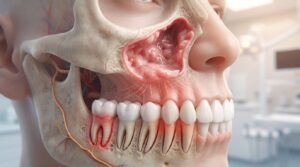
A zirconia crown is a dental crown made from zirconium dioxide, a highly durable ceramic material used to restore and protect damaged or weakened teeth. It fully covers the visible part of the tooth to restore its shape and function.
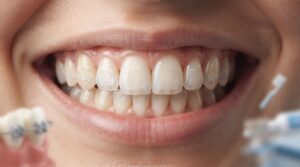
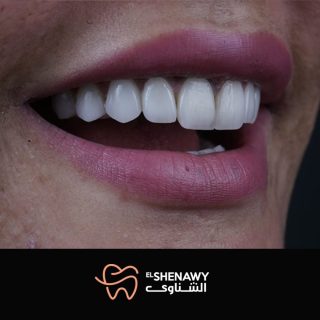
Compared to traditional porcelain crowns, zirconia is generally more resistant to chipping and everyday chewing pressure, which is one reason it has become widely used in modern restorative dentistry. It can also be color-matched to blend naturally with surrounding teeth, making it suitable for both restorative and cosmetic treatments.
Modern zirconia crowns are manufactured using advanced digital technology, helping improve their precision and overall fit.
When Is a Zirconia Crown Recommended?
Zirconia crowns are commonly recommended when a tooth needs both protection and long-term durability. Thanks to their strength and natural appearance, they are used in a wide range of restorative and cosmetic dental treatments.
Dentists may recommend a zirconia crown in cases such as:
- Teeth that have been significantly weakened by decay, fractures, or extensive fillings.
- After root canal treatment, when the tooth becomes more vulnerable to cracking.
- Worn-down teeth resulting from grinding or long-term wear.
- Back teeth and molars that experience strong chewing pressure.
- Cosmetic restorations where both durability and appearance are important.
- Dental implant restorations to replace missing teeth.
- Replacing old crowns that no longer fit properly or match surrounding teeth.
Modern zirconia materials can be used for both functional and aesthetic purposes, making them one of the most versatile crown options in restorative dentistry.
Zirconia vs Porcelain vs E-max: Which Crown Is Better?
Each crown material has different advantages depending on the tooth location, cosmetic goals, and level of chewing pressure involved. While zirconia is widely known for its durability, porcelain and E-max may offer advantages in certain aesthetic cases.
| Feature | Zirconia Crowns | Porcelain Crowns | E-max Crowns |
| Strength | Excellent | Moderate | High |
| Appearance | Natural-looking | Natural-looking | Highly aesthetic |
| Best For | Molars & high bite force | General restorations | Front teeth |
| Resistance to Chipping | High | Lower | Moderate |
| Metal-Free | Yes | Sometimes | Yes |
| Longevity | Long-lasting | Moderate | Long-lasting |
The best crown material ultimately depends on the condition of the tooth, the amount of biting pressure it handles, and the desired cosmetic result. Zirconia is commonly chosen for cases that require greater durability and resistance to pressure, while E-max is often preferred for highly aesthetic restorations, particularly in visible front teeth.
How Long Does a Zirconia Crown Last?
Zirconia crowns are known for their long-term durability and can often last 10 to 15 years or longer with proper care. In many cases, their lifespan depends not only on the material itself, but also on oral hygiene, bite pressure, and the overall quality of the crown placement.
Several factors can affect how long a zirconia crown lasts, including:
- Daily brushing and flossing habits.
- Teeth grinding or clenching.
- Strong biting pressure on back teeth.
- Regular dental checkups and maintenance.
- The precision of the crown’s fit and placement.
Zirconia Crown Procedure: Step-by-Step Guide
The process usually includes:
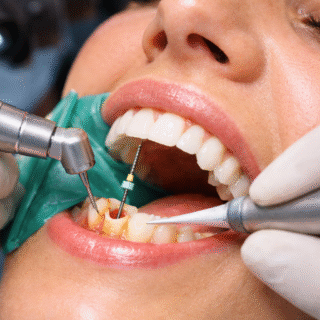
- Examination and tooth preparation: The dentist examines the tooth, removes any damaged areas, and prepares it to support the crown properly.
- Digital scans or dental impressions: Detailed scans or impressions are taken to create a custom crown that matches the shape and fit of the surrounding teeth.
- Temporary crown placement: In many cases, a temporary crown is placed to protect the tooth while the permanent zirconia crown is being fabricated.
- Final crown placement: Once the zirconia crown is ready, the dentist checks its fit, appearance, and bite alignment before permanently securing it in place.
How to Care for a Zirconia Crown
Although zirconia crowns are highly durable, proper care is still important for maintaining both the crown and the surrounding tooth structure over the long term.
To help extend the lifespan of a zirconia crown, dentists commonly recommend:
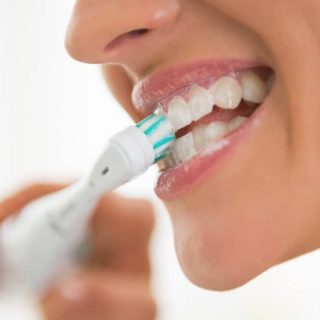
- Brushing twice daily with good oral hygiene habits.
- Flossing regularly around the crown and gumline.
- Avoiding chewing on very hard objects such as ice or hard candy.
- Using a night guard if you have a habit of grinding or clenching your teeth.
- Attending regular dental checkups and professional cleanings.
How Much Does a Zirconia Crown Cost in Egypt?
In Egypt, zirconia crown prices commonly range from around 3,000 to 8,000 EGP per crown, depending on the material quality, digital technology used, and the complexity of the case.
Several factors can affect the overall cost, including:
- The location and condition of the tooth
- Whether additional treatments are needed before crown placement
- The quality and type of zirconia material used
- The level of customization and digital technology involved
- The experience of the dental team and laboratory
While zirconia crowns may cost more than some traditional crown materials, many patients choose them for their combination of durability, aesthetics, and long-term performance.
Advanced Zirconia Crown Solutions at El-Shenawy Dental Centers
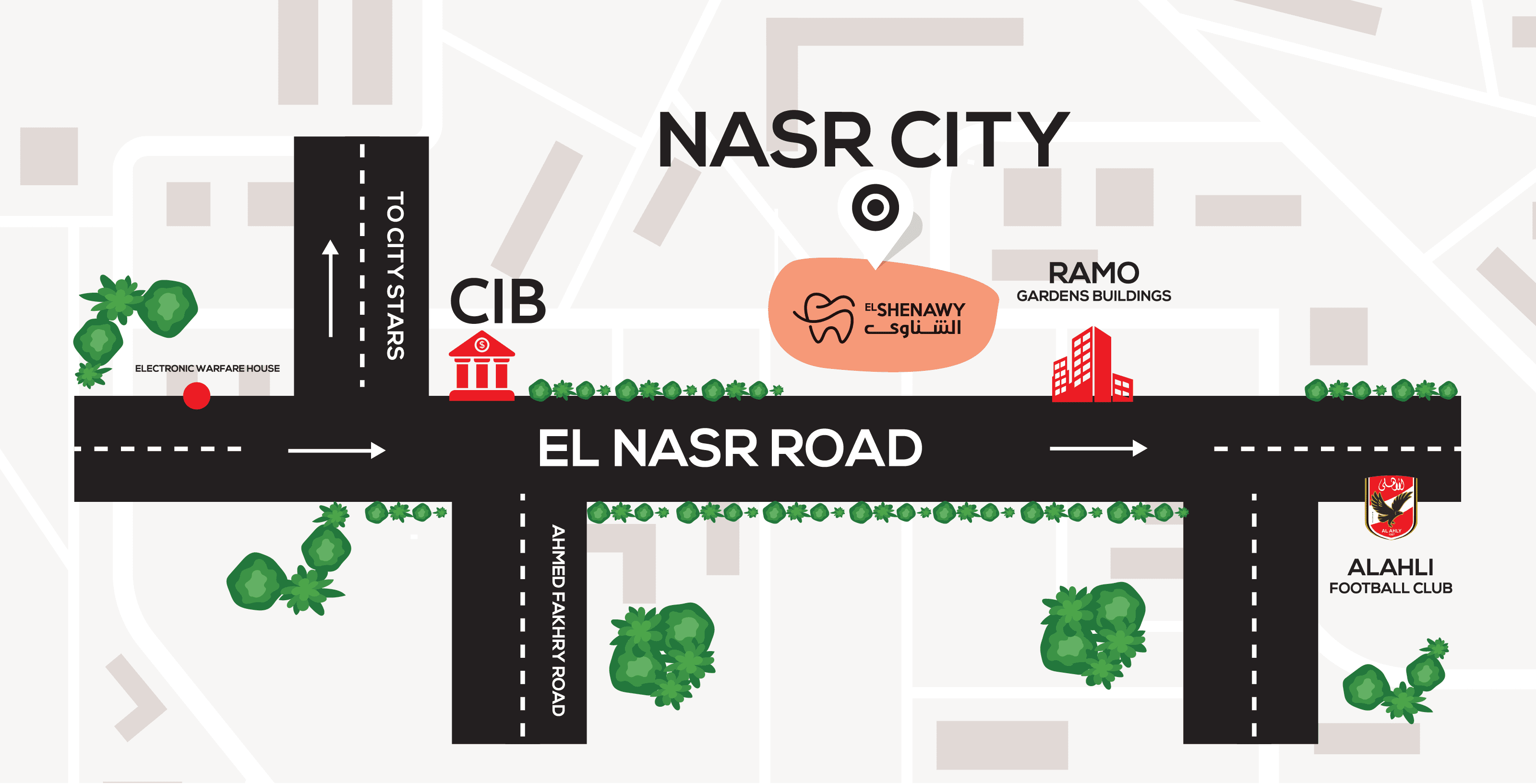
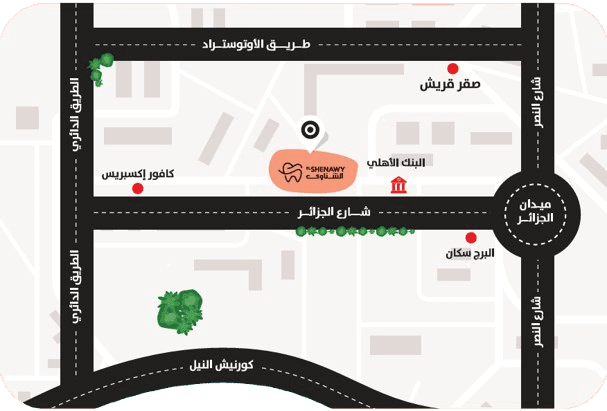
At El-Shenawy Dental Centers, zirconia crowns are planned with careful attention to both function and aesthetics. Digital technologies are used throughout the treatment process to improve precision during scanning, crown fabrication, and final placement, helping create restorations that fit naturally and perform reliably over time.
Each case is evaluated individually to determine the most suitable restorative approach based on the condition of the tooth, bite pressure, and cosmetic expectations.
Book your consultation at El-Shenawy Dental Centers to explore the most suitable restorative solution for your needs.
Frequently Asked Questions
- Can zirconia crowns break?
Zirconia crowns are highly durable and resistant to cracking or chipping under normal use. However, like any dental restoration, they can still become damaged from excessive force, teeth grinding, or trauma.
- Do zirconia crowns look natural?
Yes. Modern zirconia crowns are designed to closely match the color and appearance of natural teeth.
- Can zirconia crowns stain?
Zirconia crowns are highly resistant to staining compared to many other dental materials.
- Is getting a zirconia crown painful?
The procedure is typically not painful, as the tooth is prepared under local anesthesia.