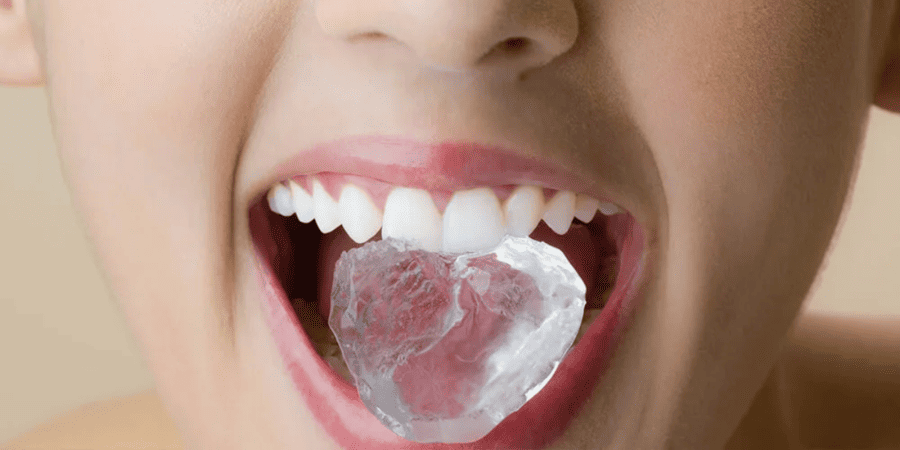
For many people, young and old alike, chewing ice seems like a harmless and refreshing habit. But behind that satisfying crunch lie hidden risks that, over time, can cause chewing ice damage that isn’t immediately noticeable yet may have lasting effects on your dental health.
In this article, we’ll uncover five potential risks of chewing ice that everyone should know about, along with practical tips to break the habit and protect your smile for the long term.
-
Fractured teeth: the costly risk of chewing ice
Chewing ice may feel harmless, but it puts enormous pressure on your teeth. That hard, frozen surface can actually cause cracks, or even split a tooth, especially if the habit is frequent. It often starts with tiny, almost invisible hairline fractures, but over time, these can grow bigger, much like a crack spreading across a car windshield.
Those tiny cracks might seem minor, but they actually weaken the tooth over time, making it more likely to eventually break completely. In severe situations, the tooth can get so damaged that it cannot be restored, leaving extraction as the only option. Beyond the pain and inconvenience, repairing or replacing a fractured tooth can be costly, turning a seemingly small habit into a significant dental problem.
-
Enamel wear: chewing ice damage that weakens enamel
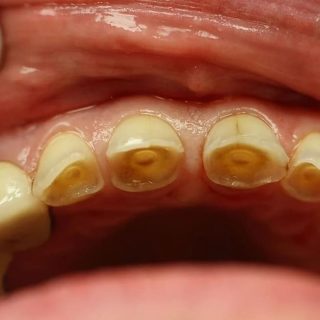
Enamel is the hard outer layer that protects your teeth, which is also known as the body’s natural shield. Still, despite its strength, it is not unbreakable. Chewing on ice applies enormous pressure on enamel, which causes it to chip, weaken, or crack gradually. Once this protective layer wears down, it cannot repair itself.
As the protective enamel wears down, it exposes the more sensitive dentin layer beneath. This layer contains tiny nerve endings, which is why so many people who chew ice feel that sharp pain and sensitivity when they consume something cold, hot, or sweet.
With time, enamel loss not only causes sensitivity but also makes teeth vulnerable for further damage such as cavities or fractures.
-
Gum irritation: ice can Irritate and injure soft tissue
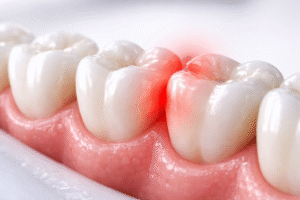
Chewing ice damage isn’t just limited to your teeth, but it might also extend to the soft tissue in your mouth. Ice cube edges are sharp enough to cut your gums, and these small wounds can lead to soreness, swelling, or bleeding. Over time, repeated irritation can make gums more sensitive and prone to infection.
Because healthy gums are essential for supporting strong teeth, even minor injuries shouldn’t be ignored. Damaged gum tissue results in compromised oral health and discomfort during daily tasks, like brushing and eating.
-
Ice is a threat to fillings, crowns, and braces
Chewing ice can also damage dental work like fillings and braces. Even though fillings and crowns are made to last, they can still crack or chip if you bite down hard on ice. Porcelain crowns, for example, are especially prone to breaking if they’re subjected to repeated stress, especially in patients who also grind or clench their teeth.
Additionally, braces and other orthodontic appliances face a risk too. The action of biting down on ice can loosen brackets, bend wires, or cause small breaks that affect treatment progress.
-
TMJ issues: ice chewing’s silent side effect
Your jaw joints, or temporomandibular joints (TMJ), exert significant effort every time you chew, talk, or bite. Continually chewing on hard ice unnecessarily puts stress on the jaw joints and the muscles surrounding them. Eventually, this extra stress can lead to pain, stiffness, and chronic jaw aches.
For some people, the strain may also lead to headaches, clicking sounds when opening or closing their mouth, or trouble chewing comfortably. Since these symptoms tend to develop slowly over time, the link to chewing ice isn’t always clear. This makes it a hidden but important side effect of the habit.
Practical tips to break the ice-chewing habit
- Let it melt instead of crunching: Experience the cool feeling of ice by letting the cubes slowly dissolve in your mouth. You’ll still feel refreshed, but without putting chewing pressure on your teeth.
- Crunch on healthy alternatives: Carrot sticks, fresh cucumber slices, or apple wedges give you the crunch you love without the risks. On top of that, fibrous fruits and veggies help clean your teeth and stimulate saliva, which helps to protect your mouth naturally.
- Chew sugar-free gum: If it’s the act of chewing that you really enjoy, sugar-free gum is a safe choice that’s good for your teeth and can also help keep your breath fresh.
- Check for underlying causes: If you ask yourself is eating ice bad for your blood? The answer is that ice itself doesn’t affect blood but the craving can be a sign of iron deficiency anemia. Cravings for ice can be connected to issues like iron deficiency or other health problems. If you find the urge hard to resist, discuss this with your dentist to see if there might be an underlying health issue.
Restore your smile with El-Shenawy Dental Centers
Chewing ice damage doesn’t have to define your smile.Whether you’re dealing with enamel wear, cracks, or sensitivity, El-Shenawy Dental Centers offers expert care to restore strength, comfort, and confidence. With both advanced technology and customized treatment plans, our specialists address existing damage while also helping you prevent new problems from developing. From repairing weakened teeth to reinforcing long-term oral health, we are committed to keeping your smile healthy and resilient.
Schedule your consultation today to protect your teeth from future damage.
Frequently asked questions
-
Does chewing ice indicate an underlying health issue?
In some cases, yes. Iron deficiency anemia is the most common reason why people have strong cravings to chew ice as part of a condition called pica. Other factors, such as stress, boredom, or dehydration can also contribute.
-
Is it safe to let ice melt in your mouth instead of chewing it?
No, it is not 10% safe but if you just can’t resist ice, it’s better to let the cubes melt slowly in your mouth rather than chewing them. This helps lower the risk of cracks and fractures. However, if you already have sensitive teeth, it’s best to avoid prolonged ice contact altogether.
-
Is chewing ice bad for your stomach?
Not really. Chewing ice isn’t typically bad for your stomach, as it’s just frozen water after all. But, if you swallow large, sharp chucks, they might irritate your stomach lining or make you feel uncomfortable.