A tooth abscess is a serious condition that should never be ignored or left untreated. If left unchecked, the bacteria can spread to surrounding tissues, the jawbone, or even into the bloodstream, leading to potentially life-threatening complications. Proper tooth abscess treatment is crucial to prevent the infection from spreading, which can cause severe pain, tooth loss, and more complex dental and overall health problems.
In this blog, we will cover everything you need to know about tooth abscesses, including how to identify the symptoms, the most common causes, and the best treatment available.
What is a Dental Abscess?
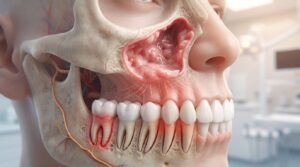
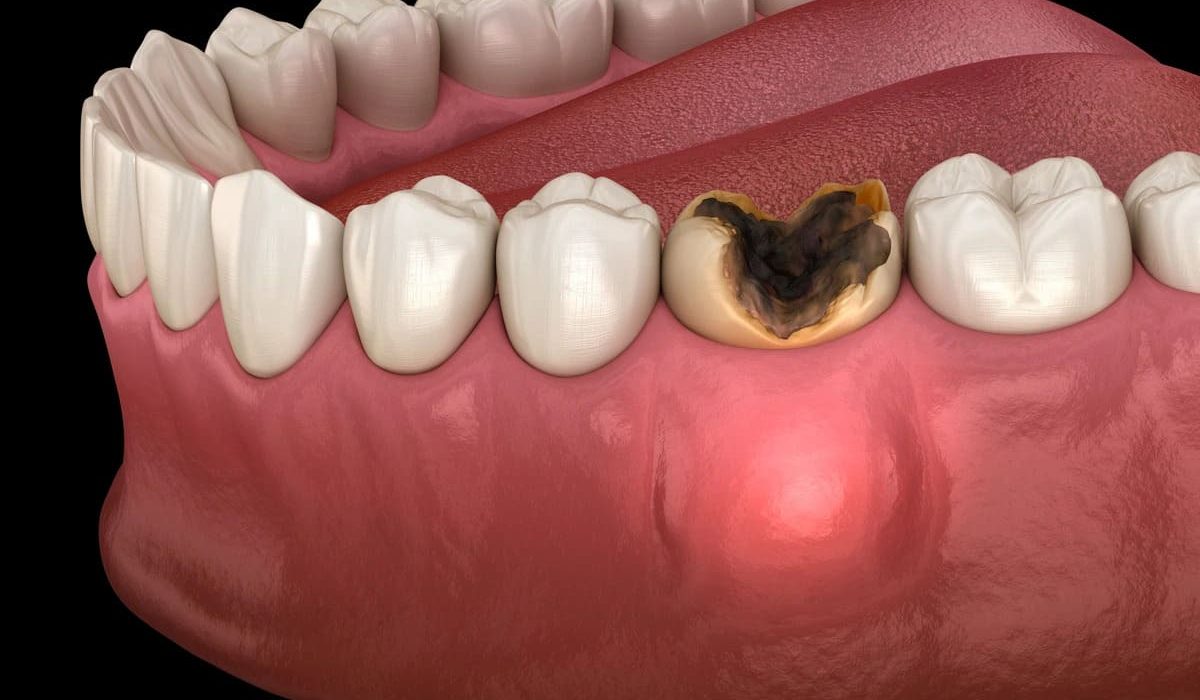
A tooth abscess is a pocket of pus, caused by an infection, that occurs with bacteria affecting the gum or surrounding tooth. It usually appears as a red, swollen bump, boil, or pimple. While it primarily affects the involved tooth, the infection can spread to surrounding bone and neighboring teeth, potentially causing more serious complications.
Who is more exposed to getting abscessed teeth?
Some conditions might increase your chances of having an abscessed tooth. They include:
- Smoke: Smoking doubles the risk of developing a tooth abscess.
- Have Dry Mouth: If there isn’t enough saliva in your mouth, it allows bacteria to spread.
- Have Poor Oral Hygiene: not taking the time to do regular oral maintenance like brushing, flossing, and cleanings allows bacteria to grow.
- Have a Weakened Immune System: Conditions or medications that lower immunity make it harder to fight infections.
What causes a tooth abscess?
A tooth abscess is caused by infections that enable the bacteria to enter your tooth or surrounding tissues. The three main types of infections can cause abscesses, these 3 are:
- Gingival Abscess: An infection in the gums, typically due to bacteria, without affecting the tooth.
- Periapical Abscess: This infection is always developed and found at the tip of the tooth root. It’s often caused by tooth decay or a fractured tooth, letting the infection spread into the pulp and bone.
- Periodontal Abscess: infection of the supporting structures and bone of the teeth, often due to gum disease.
Some causes of tooth abscess can include:
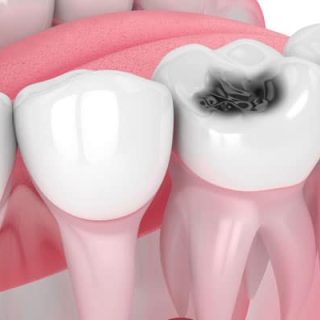
- Severe Cavities: Tooth decay develops when bacteria dissolve sugars to create acid.
- Broken or Cracked Teeth: Bacteria entering through cracks in the tooth.
- Gum Disease:Gum infection which spreads to other tissues in and below the gums.
- Injury to the Tooth: Damage to the pulp due to trauma, even if there is no visible crack.
Signs and symptoms of an abscessed tooth
- Intense toothache or gum pain.
- Inflammation inside the mouth or on the face and jaw.
- Unbearable pain when drinking or eating hot and cold items.
- Difficulty opening your mouth or chewing.
- Swelling of the face or jaw.
- A high temperature (fever).
Other possible symptoms include:
- Bad breath (halitosis).
- Loosening of the affected tooth.
- Fever.
How do dentists diagnose tooth abscess?
- Examine the Tooth and the Surrounding Tissue: The dentist will be searching for any external indication of infection, like puffiness, redness, or a pus-filled abscess draining.
- Press on the Tooth Gently: A tooth fighting an abscess is very sensitive to even light pressure or touching, and this gives the dentist an idea of what’s going on.
- Recommend a Dental X-ray: X-rays will not only identify the source of the infection but can also show if the infection has spread to other structures, like surrounding bone or nearby teeth.
- Recommend a CT Scan: If the infection has reached your neck or other nearby spots, getting a CT scan would be extremely helpful. It will help decide the level of severity, and the size of the infection.
- Perform Thermal Testing: Thermal testing is an appropriate technique to evaluate the status of the pulp tissue (the nerve and innermost portion of the tooth).
Common tooth abscess treatment
- Incision and Drainage: The dentist makes a small cut in the abscess to drain the pus, typically placing a small rubber drain to ensure that the area stays open and the infection drains away.
- Root Canal: This procedure removes the infected pulp from the tooth and fills the space with material to prevent future infection. The tooth can survive without the pulp once it’s mature. After treatment, a crown might be required to cap the tooth, which, with proper care, could last forever.
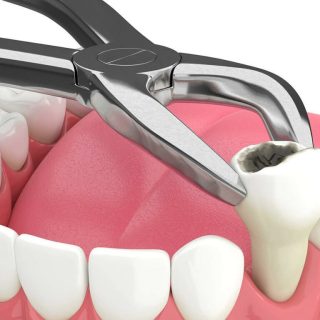
- Tooth Extraction:If the tooth with the abscess is hard to be saved, the dentist will need to extract it.
- Antibiotics: Antibiotics may be given as another means to fight any remaining bacteria. However, antibiotics will not target the source of the infection, which is the infected tooth. While the antibiotic helps to control the infection temporarily, it is vitally important to find a proper tooth infection treatment for a long-term solution.
In most procedures, anesthesia will be given by the dentist to eliminate any pain, so the process is comfortable. In El-Shenawy Clinics, we offer various kinds of dental anesthesia, in accordance with your treatment needs. Discover more about the types used and dental anesthesia price at El-Shenawy Dental Centres.
How to avoid dental abscess? essential care tips
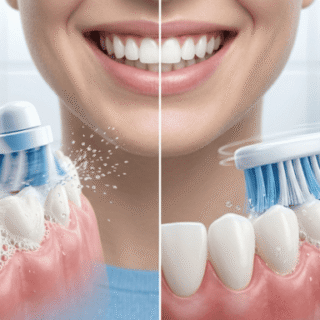
- Stick to Oral Hygiene Routine: This includes brushing your teeth regularly (optimally twice a day). Ensure you also floss after eating to clean between your teeth and avoid any stuck food. It is also recommended to change your brush every 3 to 6 months.
- Schedule Regular Dental Checkups: Having regular checkups will enable your dentist to spot any problems early before they develop into serious issues.
- Visit your Dentist if you Notice Any Abnormal Changes: If you notice any of the above mentioned symptoms or any other unusual signs, contact your dentist immediately to provide safe and effective tooth abscess treatment.
- Regulate Using Mouthwash: Avoid using mouth immediately after brushing to prevent washing away the left fluoride on your teeth.
Effective tooth abscess treatment at El-Shenawy clinics
At El-Shenawy Dental Centres, we take pride in offering effective and personalized treatment for tooth abscesses. Our skilled dentists conduct a proper check-up to diagnose the extent of your condition and then design a custom-made treatment plan which is specially made to fulfill your exact requirements, with an emphasis on not just eliminating your pain but also long-term oral health.
We utilize cutting-edge techniques and state-of-the-art technology to effectively and safely treat the infection and restore the function of your tooth to a reasonable degree, ensuring that further complications do not arise. With compassionate care and their extensive knowledge, we ensure that you receive the best treatment possible, so you can return to a pain-free and healthy smile.
Book your appointment today for quick, effective treatment!
Frequently Asked Questions
- Is it risky to keep the abscessed tooth untreated?
Yes, it is risky as it can lead to serious complications such as spread of infection to the surrounding tissues, and in some cases untreated tooth abscess can lead to a permanent damage to the jawbone.
- Can a tooth abscess heal by itself?
No, it won’t. It must be addressed by the dentist to provide the effective treatment for your case and leaving it untreated will definitely lead to serious complications.
- How can I ease the pain from a dental abscess?
Over-the-counter pain relievers can help, and so can rinsing with saltwater. Also it is important to avoid eating hard foods and stick to soft foods only like soups or yogurt.
- Will I feel immediately better after tooth abscess treatment?
Generally, you will have a temporary sensitivity that will go away quickly. It is essential to note that the healing process differs from one person to another. However, it usually takes a few days to get back to normal life.