You spend money, go through multiple dental appointments, surgery, recovery, and months of healing to restore your smile with dental implants. After all that commitment, the last thing you want is to lose that investment because of small but repeated daily mistakes.
Dental implants are designed to be one of the most durable and long-lasting solutions for missing teeth, often capable of lasting for decades and, in many cases, a lifetime. However, their long-term success depends heavily on the habits that follow the procedure. Daily oral hygiene, food choices, routine dental visits, and overall gum health all play a major role in protecting both the implant and the surrounding bone over time.
While dental implants have a very high success rate, poor long-term care can still increase the risk of complications such as gum inflammation, bone loss, or implant failure.
In this guide, we’ll explore some of the most important habits that can help your dental implants last as long as possible.
Build a Consistent Oral Care Routine
One of the most common mistakes after dental implants is assuming they do not require the same level of care as natural teeth. While implants cannot develop cavities, poor oral hygiene can still lead to gum inflammation and bone loss around the implant over time.
A consistent daily oral care routine helps reduce plaque buildup and protect the tissues supporting the implant.
To help maintain healthy dental implants:
- Clean your teeth at least twice daily with a soft-bristled toothbrush.
- Clean gently around the gumline where bacteria tend to accumulate.
- Floss daily or use interdental cleaning tools.
- Use an antibacterial mouthwash if your dentist recommends it.
- Avoid aggressive brushing that may irritate the gums.
Simple daily habits can make a major difference in protecting your dental implants and helping them last longer.
Be Mindful of What You Eat and Drink
Dental implants are strong, but that does not mean they are immune to damage. Certain foods and habits can place unnecessary pressure on the implant or increase the risk of irritation and inflammation around the surrounding gums.
To help protect your dental implants over time:
- Avoid chewing on very hard foods such as ice, hard candy, or nutshells.
- Limit sticky foods that may place stress on the restoration.
- Reduce excessive sugary foods and drinks that contribute to bacterial buildup.
- Avoid using your teeth to open packaging or bite non-food objects.
- Stay hydrated to help maintain healthy oral tissues.
Being mindful of small daily habits can help reduce unnecessary stress on your dental implants and support their long-term stability.
Visit Your Dentist Regularly
Even with good daily care, regular dental visits remain essential for protecting your dental implants long term. Visiting your dentist every six months helps remove plaque and tartar buildup that cannot always be cleaned at home, while allowing early signs of gum inflammation or implant-related complications to be detected before they progress.
Skipping routine checkups may allow small issues to develop quietly over time, increasing the risk of complications that could affect the stability of the implant and surrounding bone.
Limit Habits That Can Damage Your Dental Implants
Some everyday habits can place excessive pressure on dental implants and gradually affect their long-term stability. Identifying and limiting these habits early can help reduce the risk of complications over time.
Common habits that may damage dental implants include:
- Smoking, which reduces blood flow to the gums and slows healing.
- Teeth grinding or clenching, especially during sleep.
- Frequently chewing ice, hard candy, or other very hard foods.
- Using your teeth to open packaging or bite non-food objects.
- Ignoring signs of discomfort, swelling, or gum irritation around the implant.
Over time, these habits can increase stress on the implant and surrounding bone, raising the risk of inflammation or implant failure.
Protect Your Overall Gum and Bone Health
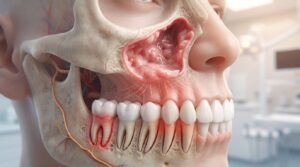
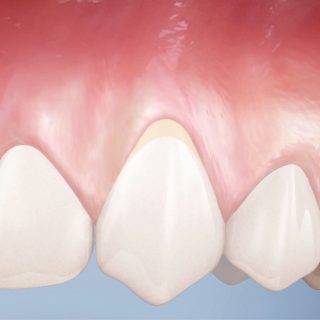
Dental implants rely on healthy gums and strong bone support to remain stable over time. Conditions such as gum disease or uncontrolled diabetes can weaken the tissues surrounding the implant and increase the risk of complications.
Maintaining healthy gums through good oral hygiene, proper nutrition, and managing underlying health conditions can make a significant difference in the long-term success of dental implants. Paying attention to early signs of gum inflammation, such as bleeding or swelling, is also important to prevent problems from progressing unnoticed.
Why Dental Implants Can Fail Over Time?
Although dental implants have a high long-term success rate, they can still fail when proper care is neglected. In many cases, implant failure develops gradually due to inflammation or damage affecting the surrounding gums and bone.
Common causes of dental implant failure include:
- Poor oral hygiene and plaque buildup.
- Gum inflammation around the implant.
- Smoking and tobacco use.
- Teeth grinding or excessive pressure on the implant.
- Bone loss around the implant area.
- Skipping regular dental checkups and maintenance.
Many of these issues can be prevented with consistent care, healthy habits, and early professional treatment when needed.
Expert Dental Implant Care at El-Shenawy Dental Centers
The long-term success of dental implants does not depend only on daily care at home. Choosing an experienced dental team also plays a major role in reducing complications and helping implants remain stable for years to come.
At El-Shenawy Dental Centers, dental implant treatment is planned with careful attention to bone condition, gum health, bite alignment, and long-term functionality, not just the implant procedure itself. Using advanced diagnostic technology and modern implant techniques, the team focuses on delivering precise placement and personalized treatment for each patient.
If you are considering dental implants or want to protect the longevity of your existing implants, book your consultation at El-Shenawy Dental Centers today.
Frequently Asked Questions
- Can Dental Implants Really Last a Lifetime?
Yes, dental implants can last for decades and, in many cases, a lifetime with proper oral hygiene, regular dental visits, and healthy daily habits.
- What Is the Most Common Cause of Dental Implant Failure?
The most common cause is peri-implantitis, a bacterial gum infection that triggers inflammation and destroys the bone supporting the implant.
- Do Dental Implants Require Special Cleaning?
Yes. While dental implants cannot develop cavities, the surrounding gums are still vulnerable to bacteria. Proper care may include a soft-bristled toothbrush, low-abrasive toothpaste, and tools such as a water flosser or implant floss to help prevent inflammation and bone loss.
- Can Smoking Affect the Lifespan of Dental Implants?
Yes, smoking significantly shortens their lifespan by restricting blood flow, slowing healing, and doubling the risk of gum infection and implant failure.