Getting braces is a major step toward a healthier, better aligned smile, but the first few days can feel less like a transformation and more like an adjustment. Between the sudden soreness and the realization that some of your favorite crunchy foods are temporarily off limits, it’s normal to feel a little overwhelmed. The good news is that you don’t have to live on bland, boring food while your teeth adjust.
If you’ve just left the orthodontist’s office and your teeth are already starting to ache, this guide walks through exactly what to eat over the next few days, what to avoid for the full length of your treatment, and how to ease the pain safely and comfortably.
Why Braces Hurt and How Long It Actually Lasts)
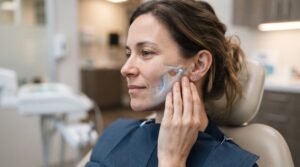
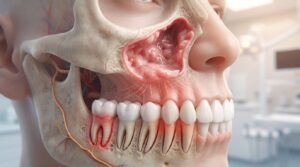
Braces work by applying steady, gentle pressure to your teeth, which gradually moves them through the bone that supports them. That pressure is what causes the ache — it’s a sign the treatment is working, not a sign something’s wrong. The same thing happens on a smaller scale every time your braces are tightened during a routine visit.
Some initial archwires are also heat-activated, meaning they’re designed to soften slightly at mouth temperature so they can apply consistent pressure throughout the day. This is part of why cold foods and drinks can bring quick relief in the first few days: the cold temporarily firms the wire back up and numbs the surrounding tissue at the same time.
Braces Pain Timeline: What to Expect Day by Day
| Stage | What You’ll Likely Feel | What Helps Most |
| Day 1 (bonding day) | Little to no pain right away; tightness sets in within a few hours | Start with soft foods before soreness peaks |
| Days 2–3 | Peak soreness; teeth feel tender to bite down on | Cold foods/drinks, an OTC pain reliever, and a fully soft diet |
| Days 4–5 | Soreness noticeably fading | Gradually reintroduce firmer soft foods |
| Days 6–7+ | Mouth feels close to normal | Return to your regular diet, minus the foods-to-avoid list |
| After each tightening | Milder soreness, usually 1–3 days | Same relief methods as above, just for a shorter stretch |
If pain is still intense after a week, or gets worse instead of better, that’s outside the normal pattern and you need to visit your dentist.
What to Eat With Braces
The goal in the early days isn’t a restrictive diet; it’s choosing foods that need minimal chewing so you’re not putting direct pressure on sore teeth. Here’s what tends to work well:
Dairy
- Yogurt, cottage cheese, and soft cheeses
- Pudding, custard, and ice cream without hard mix-ins
- Milk
Grains, Pasta & Bread
- Oatmeal, cream of wheat, or soft cooked rice
- Well-cooked pasta or mac and cheese
- Pancakes, and soft bread without a hard crust
Fruits & Vegetables
- Bananas, applesauce, ripe melon, and mango cut into small cubes
- Mashed or baked sweet and regular potatoes
- Thoroughly steamed or blended vegetables
Proteins
- Soft scrambled eggs and omelets
- Flaky fish such as salmon or tuna
Soups, Smoothies & Liquids
- Blended or broth-based soups, served warm rather than hot
- Smoothies and protein shakes.
- Water throughout the day to rinse away food debris around brackets
For a broader everyday list beyond the initial braces adjustment period, our guide to the best foods for healthy teeth covers foods that support healthy teeth and gums throughout treatment and beyond.
Foods to Avoid With Braces
Some foods may only be uncomfortable during the first week, but others should be avoided throughout treatment because they can damage brackets, wires, or other orthodontic hardware.
- Hard foods: Nuts, hard pretzels, hard candy, and popcorn can put excessive pressure on brackets and wires. Avoid chewing ice as well, as it can damage teeth and potentially bend wires or break brackets.
- Crunchy foods: Raw carrots and whole apples should be cut into small, thin pieces before eating. Crunchy chips and hard pizza crust can also damage orthodontic hardware.
- Sticky and chewy foods: Avoid caramel, taffy, chewing gum, and sticky gummy candies. They can cling to brackets and wires, making them difficult to clean and increasing the risk of plaque buildup and tooth decay.
Acidic, Spicy & Very Salty Foods
Citrus fruits, spicy sauces, and very salty snacks can sting if a bracket or wire is already irritating your cheeks, lips, or gums. You don’t necessarily need to avoid them throughout treatment, but limiting them while your mouth is sore can make eating more comfortable. Orthodontic wax can also help protect irritated areas.
How to Ease Braces Pain: Methods That Actually Work
- Cold Relief: Apply a cold compress to your cheek for 10 to 15 minutes to temporarily ease soreness.
- Saltwater Rinses: Rinse 2 to 3 times a day with half a teaspoon of salt dissolved in 8 ounces of warm water to soothe irritated gums and minor cuts.
- Orthodontic Wax: Place a small amount of wax over a bracket or wire that’s rubbing your cheek or gums. It’s particularly useful for irritation caused by the hardware.
- Pain Medication: Over-the-counter pain relievers such as acetaminophen or ibuprofen can help during the first couple of days after braces are placed or adjusted. Take them as directed.
- Topical Oral Gel: A small amount of oral numbing gel can temporarily relieve soreness on irritated areas, particularly before eating.
- Soft, Cool Foods: Smoothies, cold soups, and other soft foods can make eating more comfortable while your teeth are sore.
- Gentle Chewing: Once the initial soreness eases, soft foods such as bananas or soft bread can help you gradually return to normal chewing.
Handling a Loose Bracket or a Poking Wire
This is the single most common braces problem outside of general soreness, and it’s manageable at home until you can see your orthodontist:
- Dry the area with a tissue, then press a small ball of orthodontic wax directly over the poking wire or loose bracket.
- If a wire is poking and you have no wax, you can gently push it back into a less irritating position with the eraser end of a pencil, never cut it with scissors, as small pieces can be swallowed or inhaled.
- A bracket that has come completely off the tooth but is still attached to the wire usually isn’t an emergency, cover it with wax and call your orthodontist to schedule a repair.
- If a wire comes out of the last bracket entirely and is poking into your cheek or the back of your mouth, wax it in place and contact your orthodontist promptly.
When to Call Your Orthodontist
- Most soreness is normal and expected. Reach out to your orthodontist if you notice any of the following:
- Pain that is severe, or that gets worse instead of better after day 5 to 7
- A bracket or band that has fully detached, or a wire that has broken
- Swelling, fever, or pus, which can point to an infection rather than ordinary soreness
- A sore or ulcer that doesn’t start to heal within about a week despite wax and rinses
Orthodontic Care at El Shenawy Dental Clinics
At El Shenawy Dental Clinics, we provide a wide range of orthodontic treatments designed around each patient’s individual needs. From crooked teeth and bite problems to more complex cases, our dental team takes a thorough and professional approach to every treatment plan.
We also understand that starting braces can feel overwhelming. That’s why our team provides clear guidance throughout treatment, from choosing the right appliance and knowing what to expect in the first few days to caring for your braces and maintaining your oral health along the way.
Book your orthodontic consultation at El Shenawy Dental Centres today
Frequently Asked Questions
Can I eat pizza with braces?
Soft, thin crust pizza is generally fine once initial soreness has passed, but avoid thick or crispy crusts, which can put pressure on brackets and wires.
Can I eat normally with braces?
Yes. Most foods can still be enjoyed with some adjustments. Hard, sticky, and very crunchy foods should be avoided or modified, while foods such as apples and carrots can be cut into smaller pieces to make them easier to eat safely.
Do I need to change how I brush my teeth with braces?
Yes. Braces create extra areas where food and plaque can collect, so careful brushing around the brackets and along the gumline is important. Your orthodontist may also recommend interdental brushes or other cleaning aids to reach areas a regular toothbrush cannot.