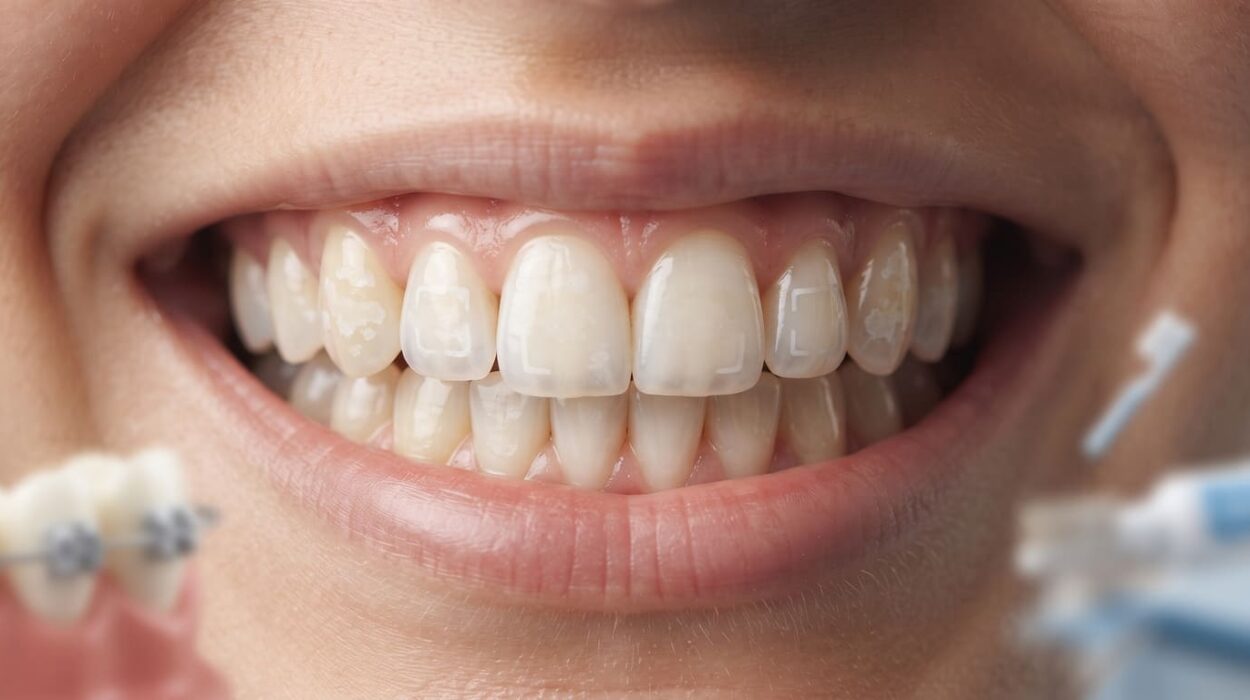
White spots on teeth are areas where the enamel has lost minerals, creating a chalky, opaque patch that looks different from the surrounding tooth surface. The three most common causes are early tooth decay (demineralization), excess fluoride exposure during childhood (fluorosis), and plaque buildup around braces. Most white spots are treatable — and some are even reversible if caught early enough. The key is identifying the cause first, because that determines whether the spot can heal on its own or needs cosmetic treatment.
What Causes White Spots on Teeth?
1. Enamel Demineralization (Early Decay)
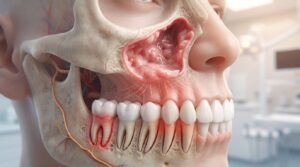
The most common — and most important — cause. When plaque bacteria produce acid from sugar, they pull calcium and phosphate out of the enamel. The first visible sign is a white spot: chalky, matte, and usually found near the gum line or between teeth. This is technically the earliest stage of a cavity, but critically, it is still reversible at this point. If the acid attacks stop and minerals are returned to the enamel (through fluoride and improved hygiene), the spot can heal without any drilling. For a deeper understanding of how this mineral loss progresses, see tooth enamel erosion: signs, causes, and treatment.
2. Dental Fluorosis
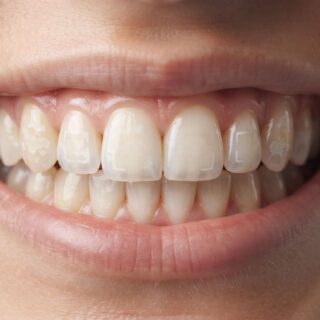
Fluorosis occurs when a child ingests too much fluoride while permanent teeth are still forming under the gums (roughly birth to age 8). Common sources include swallowing toothpaste, fluoride supplements on top of already fluoridated water, or naturally high-fluoride well water. It appears as symmetrical white lines or flecks across multiple teeth. Mild fluorosis is purely cosmetic and does not weaken the tooth, but moderate to severe cases can cause pitting and brown discoloration.
3. Enamel Hypoplasia
A developmental defect where the enamel did not form completely, leaving it thinner and more porous in spots. Causes include high fever during childhood, certain illnesses, nutritional deficiency, or premature birth. The spots may be white, yellow, or brown and the surface often feels rough. These areas are weaker than normal enamel and more prone to decay — so they often need protective treatment beyond cosmetics.
4. Post-Orthodontic White Spots
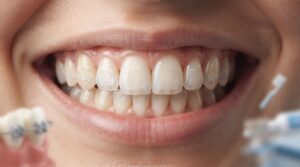
When braces make brushing difficult, plaque accumulates around the brackets and demineralizes the enamel in a ring pattern. After the braces come off, the area under the bracket is normal but the ring around it is chalky white. This is one of the most common causes of white spots in teens and young adults — and one of the most preventable with proper cleaning during treatment.
How to Tell What Caused Your White Spots
This visual guide helps narrow down the cause before you see your dentist:
| What It Looks Like | Where It Appears | How Many Teeth? | Most Likely Cause |
|---|---|---|---|
| Chalky, matte white patch | Near gum line or between teeth | 1–2 teeth | Early decay (demineralization) |
| Symmetrical white lines or flecks | Spread across multiple tooth surfaces | Multiple teeth | Fluorosis |
| Irregular white/brown patches + rough surface | Scattered | 1 or more | Enamel hypoplasia |
| White rings or halos around small squares | Where brackets were bonded | Front teeth, typically | Post-orthodontic demineralization |
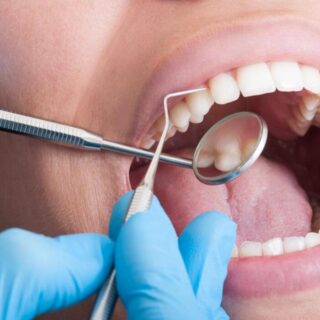
This table helps with initial identification, but a definitive diagnosis requires a clinical exam — sometimes with magnification or fluorescence imaging — because early decay and fluorosis can look very similar to the naked eye.
Can White Spots Be Reversed?
It depends entirely on the cause and timing:
- Early demineralization: Yes — often reversible with fluoride, CPP-ACP (casein phosphopeptide) products, reduced sugar intake, and improved plaque control. This is the only type of white spot that can truly heal.
- Fluorosis, hypoplasia, and established post-braces spots: The enamel structure is permanently altered, so the spot won’t fade on its own. However, it can be effectively treated cosmetically.
The bottom line: almost every white spot can be improved — the question is whether it heals naturally or needs professional cosmetic treatment.
Treatment Options: From Least to Most Invasive
Good treatment follows a ladder — start with the gentlest option and only escalate when needed:
1. Remineralization (for early spots only)
For fresh demineralized spots that haven’t become cavities yet. Prescription-strength fluoride (varnish or gel), CPP-ACP pastes (such as MI Paste), reduced sugar, and better plaque control can reverse the spot over weeks to months. This is the only approach that actually heals the enamel rather than masking it.
2. Resin Infiltration (ICON)
For established spots that won’t remineralize. A low-viscosity liquid resin is drawn into the porous enamel, filling the microscopic gaps and restoring normal light refraction so the spot visually disappears. No drilling, usually no anesthesia, done in one visit. Particularly effective for post-braces spots and mild fluorosis.
3. Enamel Microabrasion
Gently polishes away a very thin surface layer of discolored enamel using fine abrasive and mild acid. Works well for surface-level fluorosis spots. Often combined with whitening for an even result.
4. Professional Teeth Whitening
Important caveat: whitening doesn’t remove white spots — it lightens the surrounding tooth so the contrast decreases and spots blend in. There’s a temporary “whitening paradox” where spots may look MORE obvious for the first few days because the surrounding enamel lightens faster. This resolves as the color evens out. For details on methods and expected results, see teeth whitening: best methods, cost, and results.
5. Composite Bonding
For deeper or more stubborn spots, tooth-colored composite resin covers the affected area and is sculpted to match the surrounding tooth. Done in a single visit, reversible, and conservative. For details on material types, see cosmetic dental fillings guide.
6. Porcelain Veneers
The most involved option, reserved for extensive spots combined with other cosmetic concerns (shape, chips, alignment) or when simpler treatments haven’t achieved the desired result. Custom porcelain shells resurface the visible tooth entirely.
Treatment Comparison Table
| Treatment | Best For | Removes Tooth Structure? | Visits | Durability |
|---|---|---|---|---|
| Remineralization | Early demineralization only | No (heals enamel) | Ongoing home care | Permanent if maintained |
| Resin Infiltration (ICON) | Post-braces, mild fluorosis | Virtually none | 1 visit | Several years+ |
| Microabrasion | Surface fluorosis | Very thin surface layer | 1–2 visits | Permanent |
| Whitening | Reducing contrast | No | 1–3 visits | 6–24 months, varies |
| Composite Bonding | Deeper/stubborn spots | Minimal prep | 1 visit | 5–10 years typically |
| Porcelain Veneers | Extensive/full smile reset | Thin enamel layer | 2–3 visits | 10–15+ years |
How to Prevent White Spots
- Brush twice daily with fluoride toothpaste — plaque removal is the single biggest factor in preventing demineralization.
- Floss daily — white spots from decay often start between teeth where the brush can’t reach.
- For children: supervise toothpaste amounts — rice-grain size under age 3, pea-size ages 3–6. Don’t let them swallow it. This prevents fluorosis.
- During orthodontic treatment: clean around brackets meticulously with interdental brushes and floss threaders. Post-braces white spots are entirely preventable.
- Limit frequency of sugary and acidic foods/drinks — how often matters more than how much. Sipping soda all day is worse than drinking one glass.
- Regular dental check-ups — a white spot caught at the demineralization stage is reversible. Caught later, it’s only treatable cosmetically.
FAQ
Do white spots on teeth mean I have cavities?
Not necessarily — but they can be. A white spot near the gum line or between teeth is often the earliest stage of decay (demineralization), which is still reversible. Symmetrical spots across multiple teeth are more likely fluorosis, which is cosmetic and not decay. A dental exam is the only way to tell them apart definitively.
Can white spots go away on their own?
Only if they’re caused by early demineralization. With proper fluoride use, reduced sugar, and good brushing, these spots can remineralize and fade. Fluorosis and hypoplasia spots are permanent structural changes that won’t resolve without cosmetic treatment.
What is resin infiltration (ICON) and does it work?
Resin infiltration is a minimally invasive technique where a liquid resin is drawn into the porous enamel, filling the gaps and restoring the tooth’s natural light refraction so the spot becomes invisible. It’s done in one visit without drilling or anesthesia. It’s highly effective for post-braces spots and mild fluorosis — less effective for deep hypoplasia.
Does teeth whitening remove white spots?
Not directly. Whitening lightens the surrounding enamel so the contrast with the white spot decreases. There’s often a temporary “paradox” where the spot looks MORE obvious for a few days before the color evens out. For best results, whitening is often combined with resin infiltration or microabrasion.
Why did my child develop white spots on their teeth?
The three most common causes in children are: early decay from frequent sugar exposure and inadequate brushing, mild fluorosis from swallowing toothpaste, and enamel hypoplasia from illness or nutritional issues during tooth development. A pediatric dental visit can identify the cause and recommend the appropriate approach.
How much does it cost to fix white spots?
It varies widely by treatment. Remineralization (fluoride products) is inexpensive. Resin infiltration is a moderate per-tooth procedure. Microabrasion and whitening are mid-range. Composite bonding and veneers cost more but address deeper issues. Your dentist will recommend the simplest effective option first.