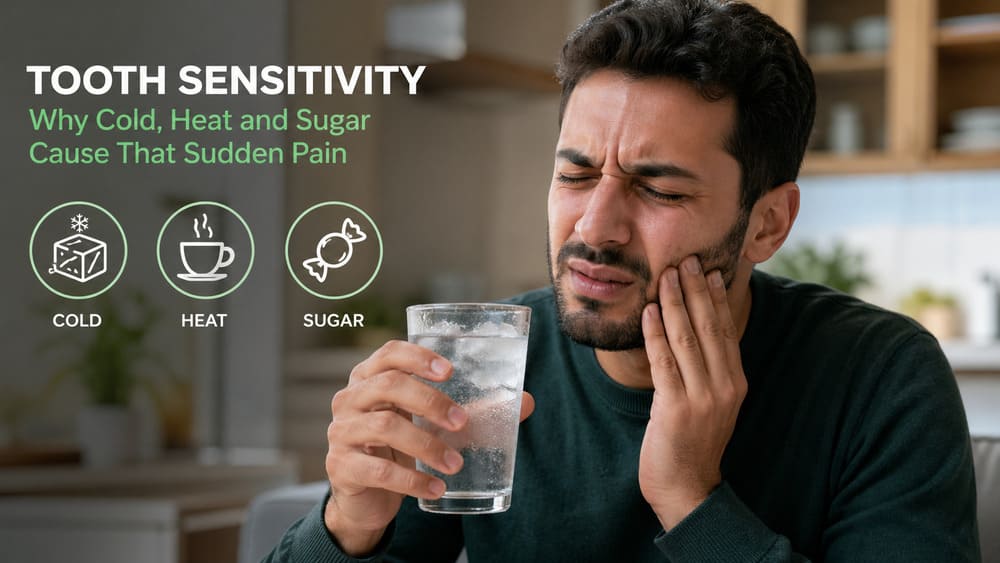
That sudden, sharp pain you feel when eating ice cream or sipping hot coffee is more than just a passing discomfort. It’s your body signaling that something in your teeth has changed.
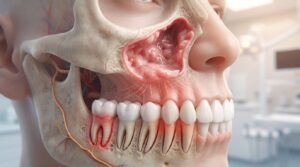
Tooth sensitivity doesn’t happen randomly. In most cases, it’s caused by worn enamel or receding gums that expose the inner layer of the tooth, making it more vulnerable to external triggers like cold, heat, and sugar.
Understanding the reason behind this sensitivity is the first step toward treating it effectively and preventing it from getting worse.
Why Do Teeth Become Sensitive: The Most Common Causes
Tooth sensitivity usually develops when the protective layers of your teeth weaken or when the inner part of the tooth becomes exposed. The exact cause can vary from simple habits to underlying dental issues.
Common causes include:
- Enamel erosion: Often caused by acidic foods, soft drinks, or brushing too hard, which gradually wears down the tooth’s outer layer.
- Gum recession: When gums pull back, they expose the roots of the teeth, which are more sensitive to temperature and sugar.
- Tooth decay (cavities): Small areas of decay can make teeth more reactive, especially when eating or drinking.
- Cracked or worn teeth: Tiny cracks or damage allow external triggers to reach deeper layers of the tooth.
- Teeth grinding (bruxism): Repeated grinding puts pressure on teeth and wears down enamel over time.
- Recent dental treatments: Sensitivity after procedures like whitening or fillings is common and usually temporary.
Tooth sensitivity is usually a symptom, not the root problem. Identifying the cause early makes treatment simpler and more effective.
Is Tooth Sensitivity a Sign of a Cavity or Something Else?
Tooth sensitivity can sometimes be a sign of a cavity, but not always. The key difference lies in how and where the pain occurs.
If the sensitivity is sharp, persistent, and focused in one specific tooth, especially when eating sweets or drinking cold beverages, it may indicate tooth decay or a small cavity starting to form.
On the other hand, if the sensitivity feels more generalized across multiple teeth, it’s more likely caused by enamel erosion or gum recession rather than decay.
When Should You Worry About Tooth Sensitivity?
You should consider seeing a dentist if:
- The pain is persistent: Sensitivity that doesn’t go away or keeps returning.
- It becomes more intense over time: A sign the underlying problem is progressing.
- It’s felt in one tooth: Could indicate a cavity, crack, or infection.
- The pain lingers after the trigger is gone: Especially with hot or cold foods.
- It affects your daily routine: Avoiding certain foods or drinks because of discomfort.
What’s the Fastest Way to Stop Tooth Sensitivity?
The fastest way to reduce tooth sensitivity depends on the cause, but there are a few proven steps that can provide quick relief.
For immediate relief:
- Use toothpaste for sensitive teeth: It helps reduce pain by blocking the pathways that send signals to the nerves.
- Avoid triggers: Limit very cold, hot, or sugary foods for a few days.
- Switch to a soft-bristled toothbrush: Prevents further enamel wear and gum irritation.
- Use fluoride mouthwash: Strengthens enamel and reduces sensitivity over time.
Best Treatments for Sensitive Teeth
If tooth sensitivity doesn’t improve with simple steps, professional treatment is often needed to address the root cause and provide lasting relief.
Common dental treatments include:
- Fluoride treatments:: Professional fluoride applications help strengthen weakened enamel and reduce how easily sensations reach the nerves. This is often recommended for early-stage sensitivity caused by enamel erosion.
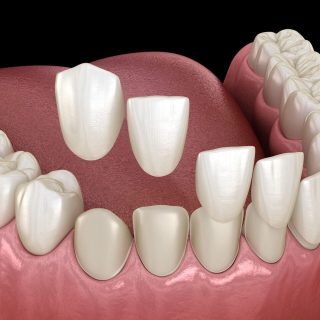
- Dental bonding or sealants: A protective layer is applied to exposed areas of the tooth, especially near the gumline, to block external triggers and shield sensitive areas from cold, heat, and sugar.
- Gum treatments: If gum recession is the cause, treatments focus on restoring or protecting the exposed roots, reducing sensitivity and preventing further gum loss.
- Treatment for cavities or cracks: When sensitivity is linked to decay or structural damage, removing the decay or repairing the crack eliminates the direct pathway to the nerves and resolves the discomfort.
- Root canal (in severe cases): If the nerve inside the tooth is affected, a root canal may be necessary to remove the source of pain and save the tooth. This is typically considered when sensitivity becomes persistent and intense.
How to Prevent Tooth Sensitivity from Coming Back
- Brush gently with a soft toothbrush: Avoid aggressive brushing that wears down enamel and irritates gums.
- Use toothpaste for sensitive teeth regularly: Helps maintain protection over time.
- Limit acidic foods and drinks: Such as soda and citrus, which weaken enamel.
- Avoid teeth grinding: Use a night guard if needed to protect enamel.
- Maintain regular dental check-ups: Detect and treat issues early before they worsen.
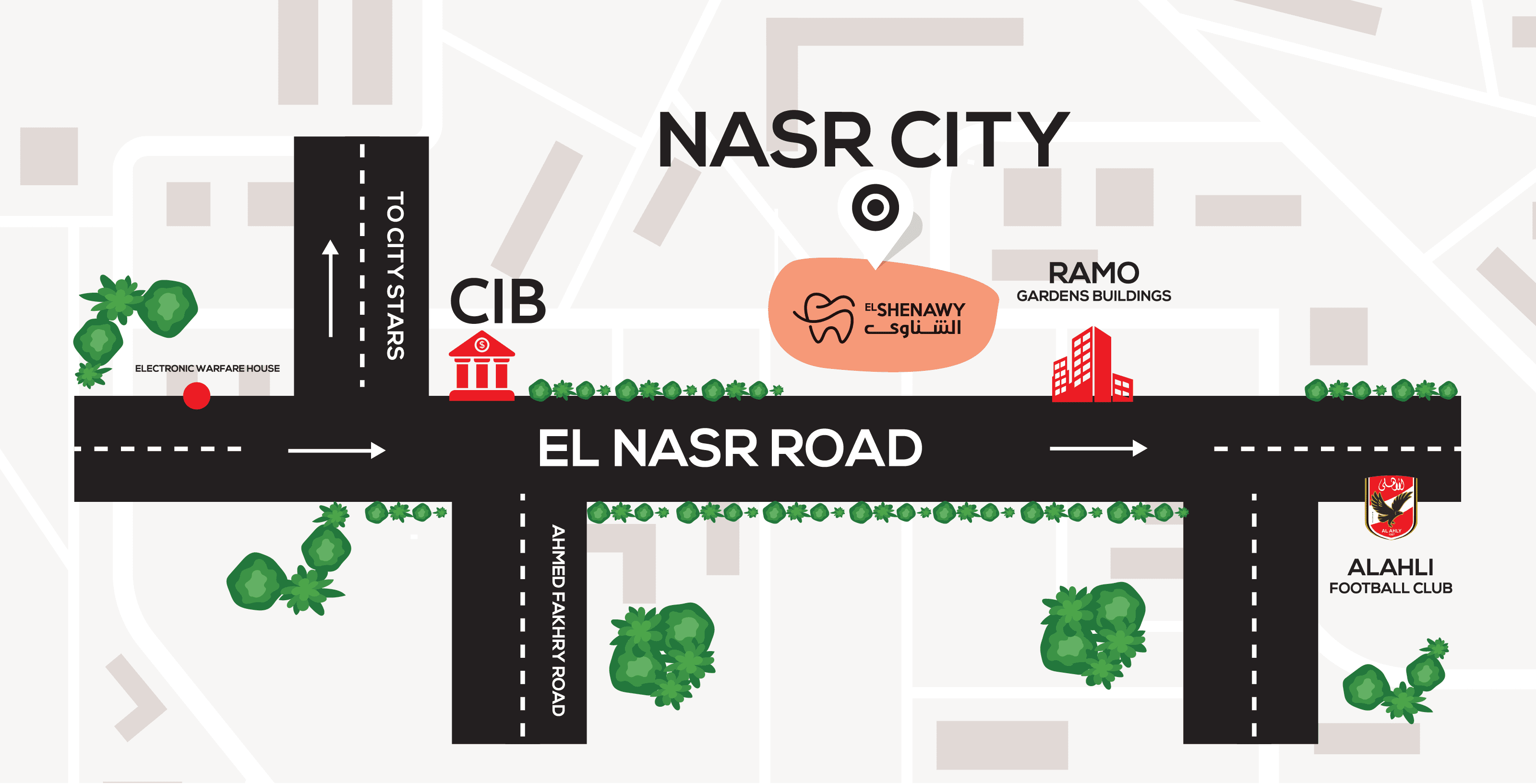
Get Rid of Tooth Sensitivity at El-Shenawy Dental Centers
Stop living with tooth sensitivity and start addressing the real cause. At El-Shenawy Dental Centers, our approach begins with understanding exactly why your teeth are sensitive. We focus on precise diagnosis first, followed by a treatment plan tailored to your condition, ensuring results that last.
With a team of experienced dental specialists and a patient-focused approach, you can get back to eating, drinking, and living comfortably without constant discomfort.
Book your consultation today and start enjoying your food and drinks again without discomfort.
Frequently Asked Questions
- Can tooth sensitivity go away on its own?
Mild sensitivity may improve if the cause is temporary, but persistent sensitivity usually requires treatment.
- Does sugar make tooth sensitivity worse?
Yes. Sugar can trigger pain in sensitive teeth, especially if the inner layers are exposed.
- Is sensitivity to heat more serious than cold sensitivity?
Yes, in some cases. Heat sensitivity can indicate a deeper issue affecting the nerve, especially if the pain lingers after the trigger is gone.
- Is tooth sensitivity normal after whitening?
Yes, temporary sensitivity is common after whitening and usually fades within a few days.