Tooth Nerve Pain — Signs It’s Time for a Root Canal
Tooth nerve pain isn’t just a bad day for your mouth. It’s often a warning sign that something deeper needs attention. One moment you’re enjoying a hot drink, and the next, a sharp pain makes it clear that something isn’t right.
The challenge is that this pain can be misleading. It may come and go or feel manageable at first, leading many people to delay treatment while the underlying issue progresses.
While the phrase root canal is often associated with discomfort, the real concern is the infection or damage causing that pain.
In this guide, we break down the signs that indicate when a root canal may be necessary and what you should know before making a decision.
What Causes Tooth Nerve Pain
Tooth nerve pain usually occurs when the inner part of the tooth becomes irritated or infected. This can happen when damage reaches the pulp, where the nerve and blood supply are located.
The most common causes include:
- Deep decay: When a cavity is left untreated, it can progress through the outer layers of the tooth and reach the nerve.
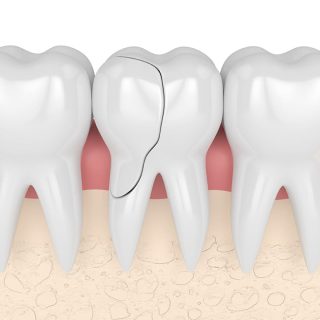
- Cracks or fractures: Even small cracks can expose the inner tissue, allowing bacteria to enter.
- Repeated dental procedures: Multiple treatments on the same tooth can weaken its structure over time.
- Trauma or injury: A blow to the tooth may damage the nerve, even if there is no visible crack.
In many cases, the pain is not just a symptom. It is a signal that the nerve is no longer healthy and may require treatment to prevent further complications.
How Do I Know If I Need a Root Canal?
Tooth nerve pain does not always mean you need a root canal, but certain symptoms can indicate that the nerve is damaged or infected and requires treatment.
The most common signs include:
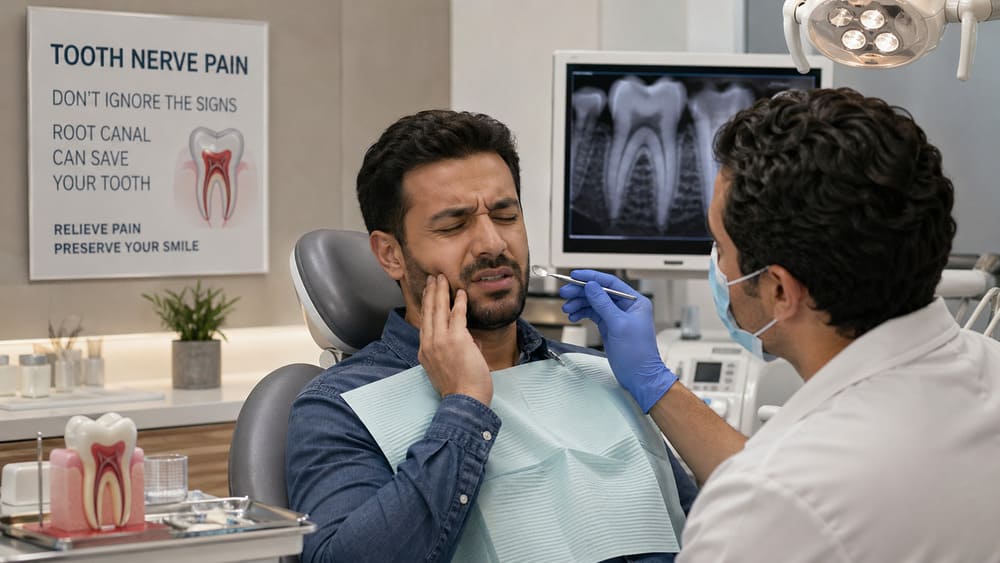
- Persistent or throbbing pain: Pain that does not go away or keeps returning is often a sign of nerve involvement.
- Sensitivity to hot or cold that lingers: If the pain continues even after the source is removed, it may indicate nerve damage.
- Pain when biting or chewing: Discomfort under pressure can signal inflammation or infection inside the tooth.
- Swelling or tenderness in the gums: This may indicate an underlying infection around the tooth.
- Tooth discoloration: A darkened tooth can be a sign that the nerve is no longer healthy.
When Tooth Nerve Pain May Not Require a Root Canal
Not all tooth nerve pain indicates a need for a root canal. In some cases, the discomfort may be temporary and caused by less serious issues.
This can include sensitivity due to enamel wear, recent dental treatments, or mild irritation of the gums. Pain that is short-lived, occurs only with specific triggers, and does not linger is often less likely to be related to nerve damage.
Teeth grinding or minor inflammation can also lead to discomfort that mimics nerve pain without involving infection.
However, the key difference is persistence. If the pain continues, worsens over time, or becomes more frequent, it may indicate a deeper problem that requires further evaluation.
What Happens If You Ignore Tooth Nerve Pain
Ignoring tooth nerve pain does not resolve the problem. In many cases, it allows the underlying condition to progress. What may start as mild or occasional discomfort can develop into a more serious infection inside the tooth, including:
- Infection Spread: Untreated issues can cause infections to spread to surrounding teeth or even the jaw.
- Tooth Loss: Severe damage may result in the loss of the tooth.
- Increased Pain: Over time, the pain may worsen and become more difficult to treat.
What a Root Canal Treatment Actually Does
A root canal treatment is designed to remove the source of pain while preserving the natural tooth.
During the procedure, the damaged or infected nerve tissue is carefully removed, and the inside of the tooth is cleaned and disinfected. The space is then sealed to prevent bacteria from re-entering.
Rather than removing the tooth, a root canal allows it to be restored and function normally. This helps maintain proper chewing, alignment, and overall oral health.
With modern techniques and anesthesia, the procedure is typically comfortable and focused on eliminating the infection causing the pain.
Choosing the Right Dental Clinic for Root Canal Treatment
Choosing the right clinic plays a key role in both the success of the treatment and your overall experience. Beyond cost, several factors directly impact the quality and predictability of the outcome.
Key things to consider include:
- Experience and expertise: Skilled dentists can handle varying levels of complexity while minimizing risks
- Modern technology: Advanced tools support precise planning and more efficient treatment.
- Patient comfort: Effective pain management and a comfortable environment improve the overall experience.
In addition, patient reviews can offer useful insight into the consistency of care and overall patient experience, helping you make a more informed decision.
Why Choose El-Shenawy Dental Clinics
At El-Shenawy Dental Clinics, root canal treatment is focused on relieving pain while preserving the natural tooth through accurate diagnosis and careful planning.
Each case is evaluated individually to determine the exact cause of nerve pain before recommending treatment. This ensures that the procedure is necessary, appropriate, and carried out with precision.
Our experienced team uses modern techniques and advanced tools to perform treatment efficiently while maintaining a high level of comfort and control throughout the process, ensuring effective results with minimal discomfort and a smooth recovery.
Book your consultation today to receive a clear diagnosis and the right treatment plan for your case.
Frequently Asked Questions
- Can Tooth Nerve Pain Go Away Without Treatment?
It may temporarily decrease, but the underlying problem usually remains and can worsen over time.
- Is a Root Canal Painful?
No. With modern anesthesia, the procedure is typically comfortable and designed to relieve pain.
- How Long Can I Delay a Root Canal?
Delaying can worsen the condition and lead to complications. Early treatment is recommended.
- Will My Tooth Still Be Functional After a Root Canal?
Yes. The treated tooth can function normally, especially when properly restored.
- How Much Does a Root Canal Cost?
The cost of a root canal in Egypt varies depending on the tooth’s condition and complexity. In general, prices typically range from 1500 to 4000 EGP.
This usually covers the cleaning and sealing of the tooth, while a final crown, if needed, is often calculated separately. A precise cost can only be determined after examination.