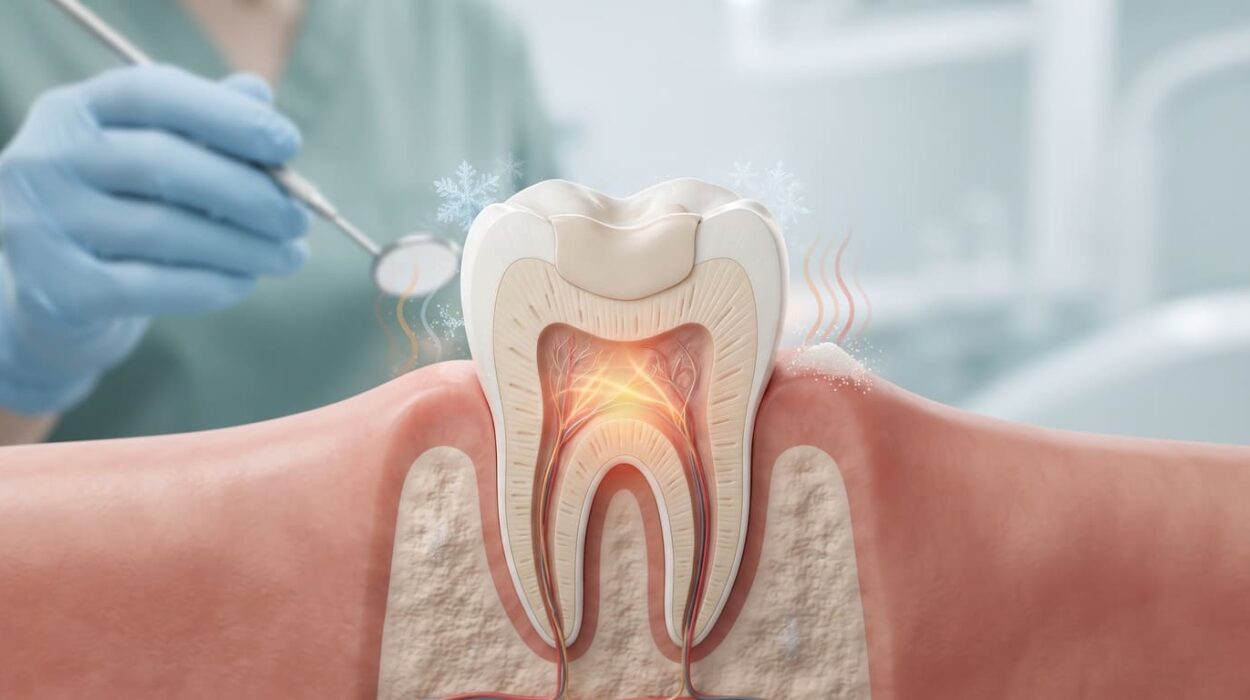
Getting a dental filling is an effective way to restore a decayed tooth and prevent further damage. However, it’s common to experience some tooth sensitivity afterward, especially when eating or drinking something hot, cold, or sweet. While this discomfort is often temporary, understanding why it happens can help you know what to expect and when it’s time to seek professional care.
In this guide, we’ll explain the most common causes of tooth sensitivity after a filling, how long it typically lasts, the treatment options available, and the signs that indicate you should see your dentist.
What Causes Tooth Sensitivity After a Dental Filling?
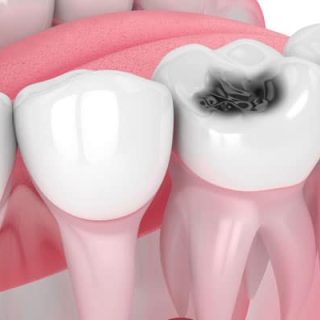
Tooth sensitivity after a filling can occur for several reasons. Some are a normal part of the healing process, while others may require your dentist’s attention. If you’ve recently received a dental composite filling, understanding the possible causes of sensitivity can help you know what to expect during recovery.
Temporary Nerve Irritation
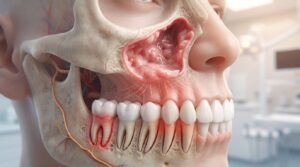
Temporary irritation of the tooth’s nerve is the most common cause of post-filling sensitivity. Removing decay and placing the filling can inflame the pulp, making the tooth temporarily sensitive to cold, heat, sweets, or even cold air. In most cases, this sensitivity gradually improves within a few days or weeks.
A Deep Cavity Close to the Nerve
The deeper the cavity, the closer the filling is to the tooth’s nerve. As a result, teeth with deep fillings often take longer to recover and may remain sensitive for several weeks before returning to normal.
A Filling That Changes Your Bite
If your tooth only hurts when you bite down, the filling may be slightly higher than the surrounding teeth. This places extra pressure on the restored tooth during chewing and can usually be corrected with a simple bite adjustment.
Tooth-Colored Composite Filling Sensitivity
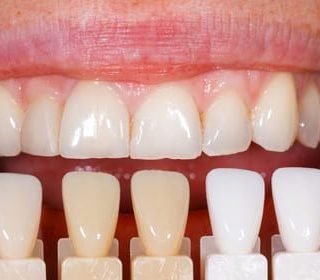
Composite fillings may create temporary stress within the tooth as the material hardens during placement. This can lead to short-term sensitivity, particularly after larger fillings, but the discomfort usually resolves as the tooth adapts.
Less Common Causes
Although uncommon, persistent or severe sensitivity may be caused by:
- Inflammation affecting the tooth’s nerves.
- A cracked tooth.
- An infection beneath the filling.
- A damaged or leaking filling.
- A rare reaction to the filling material.
What Can the Type of Sensitivity Tell You?
The type of sensitivity you experience can offer helpful clues about what’s causing the discomfort. Although only a dentist can determine the exact cause, paying attention to your symptoms may help you understand whether your tooth is healing normally or if it should be evaluated.
- Cold sensitivity: This is the most common type of sensitivity after a filling and is usually caused by temporary irritation of the tooth’s nerve. However, tooth sensitivity to cold, heat, and sugar can also occur for reasons unrelated to a recent filling.
- Hot sensitivity: Mild discomfort when eating or drinking something hot may occur while the tooth is healing, but persistent or worsening sensitivity could indicate deeper inflammation.
- Pain when biting: If your tooth only hurts when you bite down, the filling may be slightly too high or the tooth may have developed a small crack.
- Sweet sensitivity: Some people notice temporary discomfort when eating sugary foods after a filling. This typically improves as the tooth recovers.
- Lingering or throbbing pain: Pain that lasts after the trigger is removed or occurs on its own may indicate that the tooth’s nerve requires further evaluation.
If your symptoms worsen or don’t improve over time, schedule a dental examination to identify the underlying cause.
How Long Does Tooth Sensitivity Last After a Filling?
Most people notice gradual improvement within a few days after treatment.
Generally:
- Mild sensitivity during the first week is common.
- Deep fillings may remain sensitive for several weeks.
- The discomfort should gradually become less noticeable over time.
If the sensitivity lasts longer than two to four weeks or becomes more severe, it’s important to schedule a dental evaluation.
How Is Tooth Sensitivity After a Filling Treated?
Treatment depends on what’s causing the sensitivity. In many cases, mild discomfort improves on its own as the tooth heals. However, if the sensitivity persists or worsens, your dentist may recommend treatment based on the underlying cause.
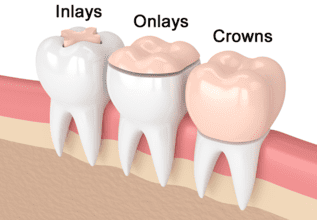
For example, a filling that’s too high can often be corrected with a simple bite adjustment, while a damaged filling may need to be repaired or replaced. If the tooth’s nerve has been significantly affected, more advanced treatment, such as root canal therapy, may be necessary.
While your tooth heals, you can help manage discomfort by:
- Using toothpaste for sensitive teeth.
- Brushing gently with a soft-bristled toothbrush.
- Avoiding foods and drinks that trigger sensitivity.
- Maintaining good oral hygiene.
If your symptoms don’t improve after a few weeks, seeking professional tooth sensitivity treatment can help identify the cause and provide lasting relief.
When Should You See a Dentist?
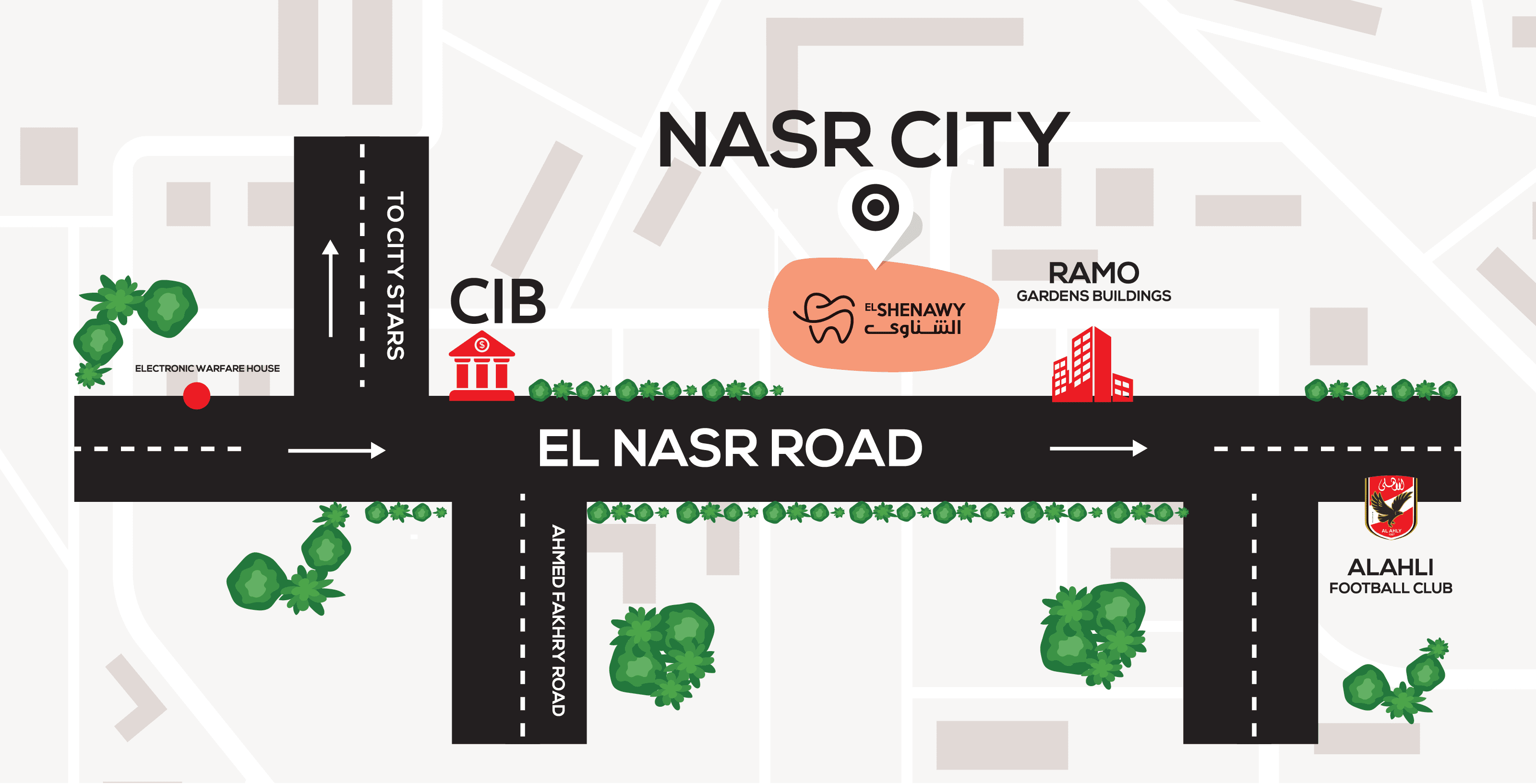
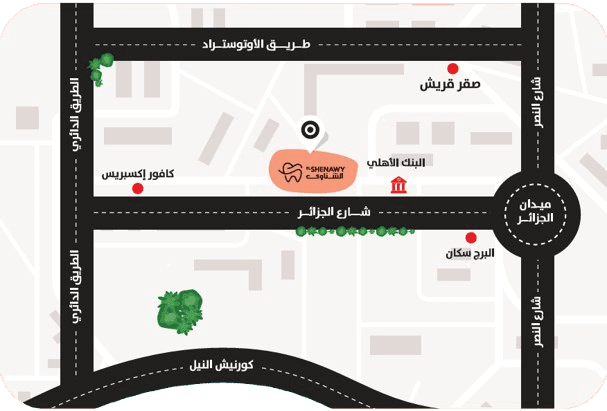
While mild sensitivity after a filling is usually temporary, some symptoms should never be ignored. At El-Shenawy Dental Centers, our experienced dentists can evaluate your filling, check your bite, and determine whether your tooth is healing normally or if additional treatment is needed.
Schedule an appointment if you experience:
- Sensitivity lasting longer than two to four weeks.
- Pain that becomes more severe instead of improving.
- Sharp pain when biting or chewing.
- A filling that feels too high or uneven.
- Swelling around the treated tooth.
- Persistent throbbing pain.
- A loose, cracked, or damaged filling.
Early evaluation can often prevent more complex dental problems and help preserve your natural tooth.
Take the Right Steps to Protect Your Tooth After a Filling
Mild tooth sensitivity after a dental filling is often a normal part of the healing process and usually improves over time. However, the type, severity, and duration of your symptoms can provide important clues about whether your tooth is simply recovering or needs further attention.
If your sensitivity persists or worsens, don’t wait for the discomfort to become more serious. The team at El-Shenawy Dental Centers is here to diagnose the cause, recommend the most appropriate treatment, and help restore your comfort and oral health.
Frequently Asked Questions
- Can tooth sensitivity after a filling go away on its own?
Yes. Most mild cases improve naturally as the tooth recovers, without the need for additional treatment.
- Can I eat immediately after getting a dental filling?
It’s best to wait until the numbness wears off. If you have a composite filling, you can usually eat afterward, but avoid hard or sticky foods if your tooth feels sensitive.
- What foods should I avoid if my tooth is sensitive after a filling?
Avoid very hot, cold, sugary, hard, or sticky foods until the sensitivity improves.
- Are composite fillings more likely to cause tooth sensitivity?
They can cause temporary sensitivity in some cases, but the discomfort usually improves as the tooth heals.
- Why is my tooth still sensitive months after a filling?
Sensitivity lasting several months isn’t typical and should be evaluated by your dentist to identify the underlying cause.