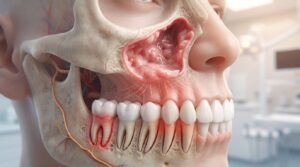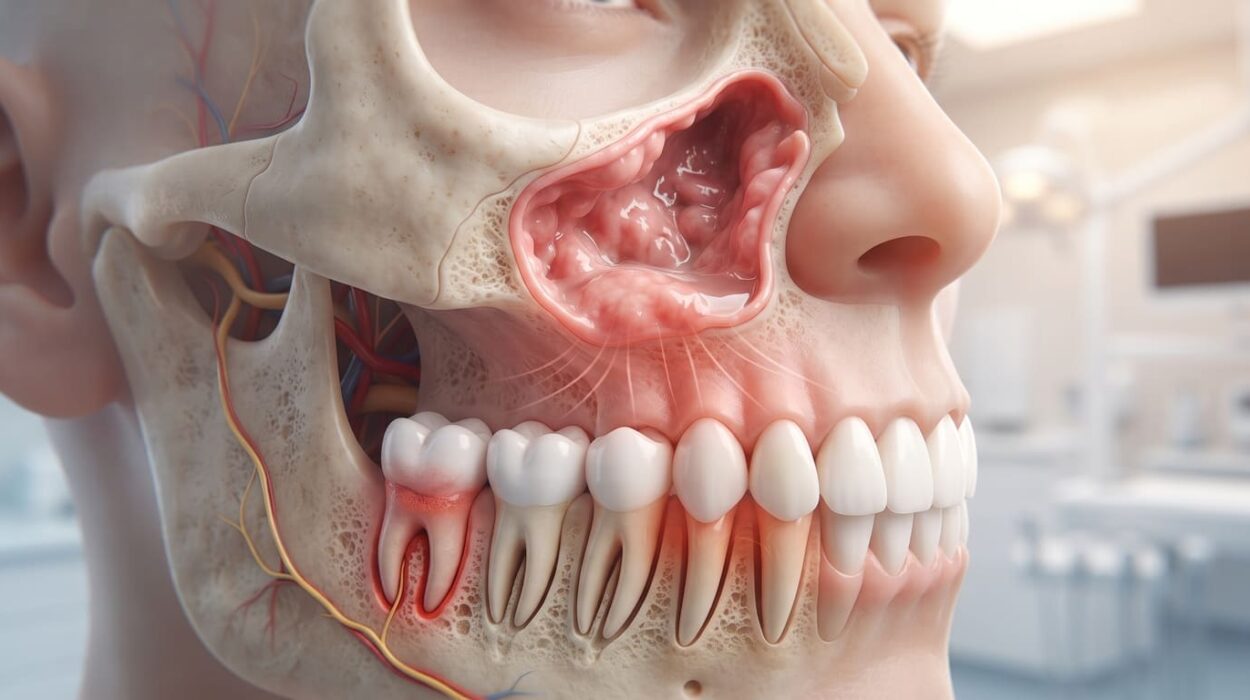
Yes, sinus problems can cause tooth pain — specifically in your upper back teeth. The roots of your upper molars and premolars sit remarkably close to the floor of your maxillary sinuses, sometimes separated by less than a millimeter of bone, and in some people the roots actually protrude into the sinus cavity. When the sinus becomes inflamed or filled with fluid (from a cold, allergies, or infection), the downward pressure presses directly on those roots, producing pain that feels identical to a toothache.
How to Tell the Difference: Sinus Pain vs. True Toothache
| Feature | Sinus-Related Tooth Pain | True Dental Pain |
|---|---|---|
| Location | Multiple upper back teeth (molars/premolars), often both sides | A single, specific tooth you can point to |
| Type of Pain | Dull, heavy, constant pressure | Sharp, throbbing, or jabbing |
| What Makes It Worse | Bending forward, lying down, jumping, moving your head quickly | Chewing, biting, hot/cold food or drinks, sweet foods |
| What Helps | Decongestants, nasal spray, steam inhalation | Over-the-counter painkillers (temporary relief only) |
| Other Symptoms | Nasal congestion, runny nose, facial pressure around eyes/cheeks, recent cold or allergy flare | Gum swelling, visible crack or hole, pus, bad taste, sensitivity that lingers |
| Timing | Often coincides with a cold, flu, or allergy season | No seasonal pattern — appears and persists or worsens |
The “Bend Forward” Test You Can Try at Home
Stand upright, then bend forward at the waist so your head drops below hip level. Hold for a few seconds, then stand back up.
If the pain in your upper teeth noticeably increases when you bend forward and eases when you straighten up, the cause is most likely sinus pressure — not a dental problem. The reason is simple: bending increases the fluid pressure inside an inflamed sinus, which pushes harder on the tooth roots below it.
This test is a strong indicator, not a definitive diagnosis. But it helps you decide whether your first call should be to an ENT doctor or a dentist.
Why Only Upper Back Teeth?
The maxillary sinus sits directly above the roots of the upper premolars and molars. In some people, the bone separating the roots from the sinus floor is paper-thin — and in others, the roots actually penetrate into the sinus. This anatomical proximity is why sinus inflammation produces pain that feels exactly like a toothache in the upper back teeth, but never in the lower teeth or front teeth.
When the Pain Really IS Your Tooth
If you notice any of the following, the problem is likely dental regardless of whether you also have congestion:
- Pain isolated to one specific tooth that you can pinpoint by pressing on it.
- Sharp pain when biting or chewing on that tooth specifically. For a deeper look at what causes this, see toothache: causes, fast relief, and when to see a dentist.
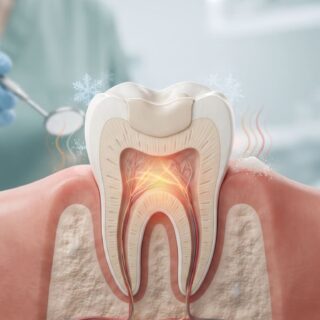
- Lingering sensitivity to hot or cold that continues after the food or drink is removed — this suggests nerve involvement.
- Gum swelling, redness, or pus around a particular tooth — this could indicate a dental abscess that needs prompt treatment.
- No nasal symptoms at all — no congestion, no runny nose, no facial pressure.
The Reverse Problem: Can a Tooth Cause a Sinus Infection?
Yes — and this is widely overlooked. An infected upper molar root can spread bacteria upward into the sinus cavity, causing what’s called “odontogenic sinusitis” (sinus infection of dental origin). This accounts for an estimated portion of chronic maxillary sinusitis cases that don’t respond to standard sinus treatment, precisely because the source is a tooth, not the sinus itself.
Key clue: if your sinus infections are recurrent and always on one side only, ask your dentist to evaluate the upper molars on that side. A panoramic X-ray or CBCT scan can usually identify whether a tooth root infection is involved.
If the tooth is confirmed as the source, root canal treatment or extraction resolves both the dental infection and the sinus problem — whereas antibiotics and nasal treatments alone will keep failing because the bacterial source remains.
A Useful Fact: Dental X-Rays Can Reveal Sinus Problems
A standard panoramic dental X-ray (OPG) includes the floor of the maxillary sinuses in its field of view. Dentists sometimes notice signs of sinus inflammation — thickening of the sinus lining or fluid levels — incidentally during a routine dental exam. If your dentist mentions this, it’s worth following up with an ENT doctor for evaluation.
Who Should You See First?
| Your Symptoms | See First | Why |
|---|---|---|
| Pain in multiple upper teeth + nasal congestion + facial pressure + recent cold | ENT / GP | Symptom pattern strongly suggests sinus inflammation |
| Pain in one specific tooth + sensitivity to hot/cold + gum swelling | Dentist | Symptom pattern points to a dental problem |
| Upper tooth pain, no congestion, not sure which tooth | Dentist first | Exam + X-ray can confirm or rule out a dental cause; if teeth are healthy, your dentist refers you to ENT |
| Recurring one-sided sinus infections that don’t respond to treatment | Both — dentist + ENT | May be odontogenic sinusitis requiring dental treatment of the source tooth |
What to Do Right Now
While you decide which doctor to see:
- For sinus-type pain: try a nasal decongestant spray, steam inhalation, or a warm compress over your cheeks. Sleeping with your head slightly elevated can reduce overnight pressure.
- For dental-type pain: an over-the-counter anti-inflammatory (like ibuprofen) can reduce both pain and swelling temporarily. Avoid chewing on the affected side.
- Don’t ignore it: whether it’s sinus or dental, persistent pain that lasts more than a week, high fever, facial swelling, or pus near a tooth needs professional evaluation promptly.
FAQ
Can a sinus infection make your teeth hurt?
Yes. The maxillary sinuses sit directly above the roots of your upper back teeth. When the sinus is inflamed or filled with fluid, the pressure pushes down on these roots and causes pain that feels like a toothache — typically dull, affecting multiple teeth, and worse when bending forward.
How can I tell if my tooth pain is from sinuses?
Three key indicators: the pain affects multiple upper teeth (not one specific tooth), it gets worse when you bend forward or lie down, and it’s accompanied by nasal congestion, runny nose, or facial pressure. Try the “bend forward test” — if pain increases when you bend and eases when you stand, it’s likely sinus-related.
Can a tooth infection cause a sinus infection?
Yes. An infected upper molar root can spread bacteria into the maxillary sinus, causing “odontogenic sinusitis.” This is especially likely if you have recurring sinus infections on one side only that don’t respond to standard sinus treatment. The fix requires treating the tooth (root canal or extraction), not just the sinus.
Should I see a dentist or ENT for upper tooth pain?
If the pain is in one specific tooth with sensitivity to hot/cold or gum swelling, start with a dentist. If it’s across multiple upper teeth with nasal congestion, start with an ENT or GP. If you’re unsure, a dentist can quickly confirm or rule out a dental cause with an exam and X-ray, then refer you to ENT if needed.
Why do only upper teeth hurt with sinus problems?
Because only the upper premolars and molars have roots close to the maxillary sinus floor. Lower teeth and front teeth are anatomically far from the sinuses, so they’re never affected by sinus pressure.
How long does sinus tooth pain last?
It typically resolves when the underlying sinus issue clears — usually within 1–3 weeks for an acute sinus infection. If the pain persists after congestion has resolved, or if it worsens rather than improves, the cause may actually be dental and warrants a dental exam.