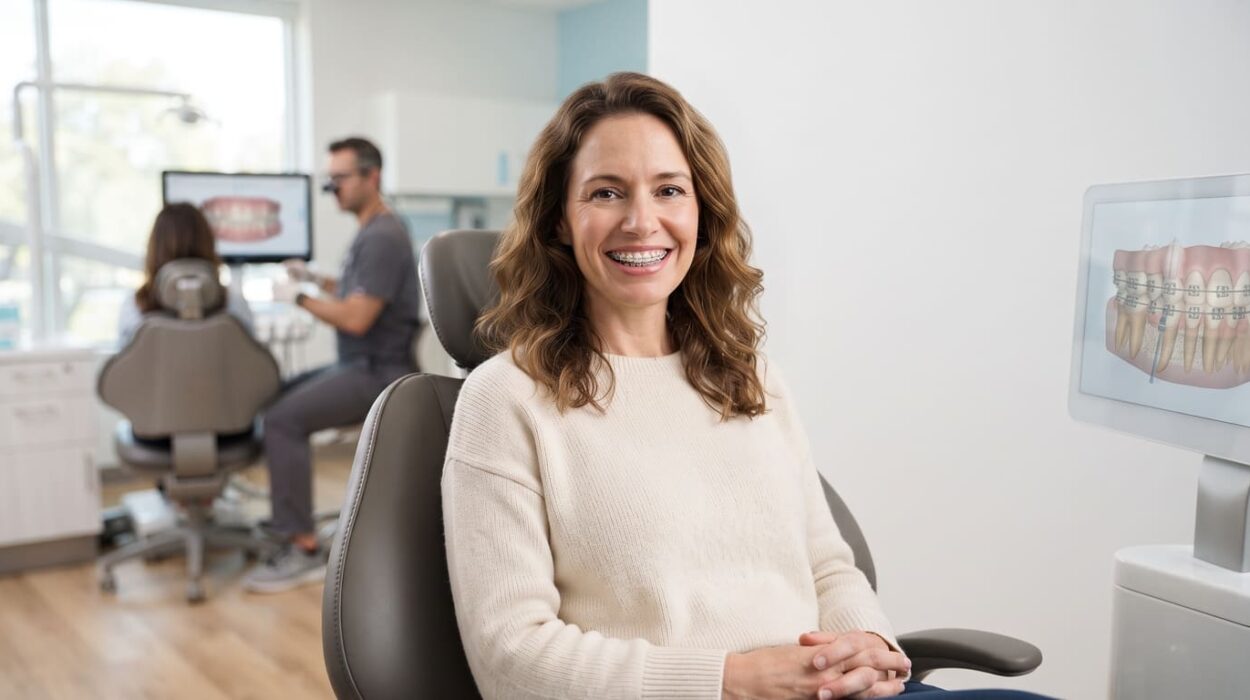
No, 30 is not too late to straighten your teeth. The idea that orthodontic treatment has an age limit is an outdated myth. Adults can still move their teeth safely with braces or other orthodontic treatments because the bone supporting the teeth continues to remodel in response to controlled pressure. Age alone does not determine whether you’re a good candidate.
Your overall oral health, including your teeth, gums, and supporting bone, plays a greater role in determining your suitability for treatment than your age or the specific alignment and bite issues you want to address.
Why Your Teeth Can Still Move After 30
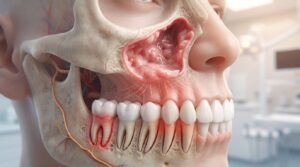
Orthodontic movement works through a process called bone remodeling. When gentle, continuous pressure is applied to a tooth, the bone on one side is gradually broken down while new bone forms on the other, letting the tooth migrate into a new position over weeks and months. This process is driven by the periodontal ligament and specialized bone cells that stay active throughout life, it doesn’t switch off at any particular birthday.
What does change with age is the pace and the margin for error. The biological response can be somewhat slower in adults than in teenagers, which is why adult treatment plans may sometimes run slightly longer. It’s also why an adult’s gum and bone health has to be confirmed before treatment starts, since existing problems can affect how safely and predictably teeth can be moved. Many adult cases take around 12 to 24 months, although treatment time varies depending on the complexity of the case, and the basic mechanics involved are the same.
The Most Common Reasons Adults Seek Braces After 30
- Relapse from a lost or skipped retainer: This is, by far, the most common reason adults return to orthodontics. Teeth that were straightened years earlier can gradually drift toward their original positions without consistent retainer wear, and by the 30s, that shift may have become noticeable.
- Gradual, age-related crowding: Even people who never had braces often notice their lower front teeth crowding slightly over time; a normal effect called mesial drift that becomes more visible in adulthood.
- Never having had treatment in the first place: Some adults simply didn’t have access to orthodontics as children and are addressing it now.
- A change in bite or jaw comfort: Shifting teeth can alter how the upper and lower jaw meet, sometimes leading to jaw soreness or uneven wear that prompts a first evaluation.
- Preparing for restorative or cosmetic work: Straightening teeth first often improves the outcome of veneers, crowns, or implants planned afterward.
What’s Genuinely Different About Orthodontics After 30
- Gum disease must be addressed first: Moving teeth through inflamed or infected gum tissue can accelerate bone loss. Any active periodontal disease should be treated and stabilized before orthodontic treatment begins.
- Bone density and support matter more with each decade: Adults are more likely to have some bone loss around the teeth, whether from gum disease, smoking, or age. Your orthodontist may use imaging to assess bone support before recommending treatment.
- Certain medications can change the picture: Bisphosphonates, commonly used for osteoporosis, slow bone turnover, which can affect orthodontic tooth movement. If you take these medications, your orthodontist may need to coordinate with your prescribing physician before treatment.
- Thinner gum tissue can mean a different risk profile: Adults with naturally thin gum tissue may have a higher risk of gum recession or small triangular gaps between teeth when crowding is corrected. Your orthodontist can assess these risks during the initial examination.
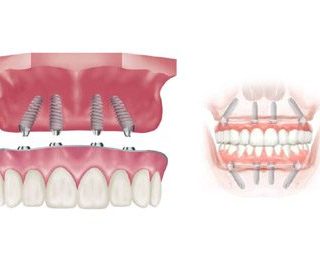
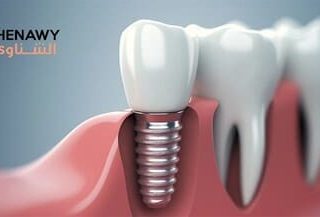
- Restorations are accounted for, not necessarily a barrier: Crowns, bridges, fillings, and veneers generally don’t prevent orthodontic treatment. Dental implants are different because they are fused to the bone and don’t move like natural teeth, so treatment must be planned around them.
- Discomfort is similar, but context matters: Mild soreness after adjustments or starting a new aligner is common and usually fades within a few days. For adults balancing treatment with work and daily responsibilities, discreet options such as clear aligners can be particularly appealing.
Which Adult Scenario Matches You?
This guide can help you understand what may be behind your situation before your appointment, but only a clinical examination can identify the cause and determine the most appropriate treatment.
| Your Situation | Likely Cause | Recommended First Step |
| “My teeth used to be straight, but they’ve started shifting again.” | Relapse from a lost, broken, or discontinued retainer | Evaluation for a refinement or limited treatment plan, often shorter than a first-time case |
| “I had braces as a teenager but stopped wearing my retainer years ago” | Long-term relapse from non-compliance with retention | Same as above — usually addressed faster than an original case |
| “I’ve never had orthodontic treatment, and lately I’ve noticed a problem with the way my teeth come together.” | New or previously untreated malocclusion | Full orthodontic workup with imaging and a complete treatment plan |
| “My teeth appear more exposed than before, and I’m concerned that my gums may be pulling back.” | Possible pre-existing gum recession or bone loss, separate from alignment | Periodontal evaluation before any orthodontic movement begins |
| “I want to straighten my teeth before getting veneers or dental implants.” | Cosmetic or restorative goal requiring pre-treatment alignment | Coordinated plan between orthodontist and restorative dentist |
Treatment Options for Adults 30+
| Option | Visibility | Removable? | Best For | Worth Knowing |
| Clear aligners | Nearly invisible | Yes | Mild to moderate crowding or spacing, relapse cases | Requires discipline ; results depend on wearing them 20–22 hours a day |
| Ceramic braces | Tooth-colored, low visibility | No | Adults who want a fixed option that blends in | Brackets can stain if oral hygiene slips, so cleaning matters |
| Lingual braces | Hidden behind the teeth | No | Adults who want zero visible hardware | Can take longer to adjust to speech; typically pricier |
| Traditional metal braces | Most visible | No | Complex bite corrections or heavy crowding | Still the most reliable option for difficult cases |
Clear aligners have become one of the most requested options for adults specifically because they’re removable for meals and easy to keep discreet at work. You can read more about how transparent orthodontics works if that flexibility matters to you.
What to Expect: The Adult Treatment Process
- Initial consultation and health history review: This is where medications, gum health, and past dental work are discussed.
- Diagnostic records: X-rays, digital scans, and photos give the orthodontist a full picture of your bone, roots, and bite before anything is proposed.
- A customized treatment plan: Built around your specific case, timeline expectations, and treatment preference.
- Active treatment with follow-up appointments: Most adults are seen every 4 to 8 weeks for adjustments or new aligner sets.
- Retention: Once teeth reach their new position, retainers hold them there.
How Long Does It Actually Take?
Most adult treatment runs 12 to 24 months. Simple relapse or mild crowding cases can finish sooner; complex bite corrections or cases involving bone or gum considerations can take longer. The biggest variables are how complex the case is, how consistently aligners are worn if that’s the chosen route, and whether any gum or bone treatment needs to happen first.
Health Benefits Beyond a Straighter Smile
- Easier hygiene: Straight, evenly spaced teeth are simpler to brush and floss thoroughly, which lowers the risk of cavities and gum disease over time.
- More even wear on your teeth: Correcting a misaligned bite spreads chewing forces evenly, reducing abnormal wear and chipping on specific teeth.
- Less jaw strain: For some people, correcting how the upper and lower teeth meet eases jaw soreness and tension headaches linked to an uneven bite.
- Confidence in daily life: A smile you’re comfortable showing changes how you show up in meetings, photos, and social settings.
Risks and Limitations to Know Before You Start
Orthodontic treatment is safe and effective for the overwhelming majority of healthy adults, but it isn’t risk-free or universally appropriate without the right groundwork:
- It is not a substitute for periodontal treatment: Active gum disease needs to be controlled first; moving teeth through diseased gum tissue can worsen bone loss.
- Root resorption is a rare but real possibility: In a small number of cases, root length can shorten slightly during treatment. Your orthodontist monitors for this with periodic imaging.
- Certain medical conditions require coordinated care: As noted above, osteoporosis medications, uncontrolled diabetes, and active gum disease all change the risk-benefit picture and should be discussed openly with both your orthodontist and physician.
- Relapse is guaranteed without retainer compliance: Teeth move back toward their original position without consistent retention.
None of this is a reason to avoid treatment, it’s a reason to have a thorough exam first, so your plan is built around your actual dental and medical history rather than assumptions based on age alone.
What Affects the Cost of Adult Orthodontic Treatment
Cost varies case by case, but it’s driven by a consistent set of factors:
- Treatment type: Clear aligners, ceramic, lingual, and metal braces are priced differently based on materials and lab work involved.
- Case complexity: A minor relapse correction costs less than a full bite correction with significant crowding.
- Treatment duration: Longer treatment generally means more visits, more aligner sets, or more adjustments.
- Any preliminary treatment needed: Addressing gum disease or extractions before orthodontics adds to the overall plan.
- Retention: The type of retainer chosen (and whether replacements are needed later) factors into long-term cost.
For a detailed breakdown of current price ranges, see the best price of orthodontics in Egypt 2026, which walks through what typically shapes the final number for different treatment types.
Retention: The Step Most People Underestimate
Retention is what helps keep your teeth in their new positions after orthodontic treatment. Once braces or aligners come off, the periodontal ligament and surrounding tissues need time to adapt, and teeth can gradually shift without consistent retainer wear. This is why some adults return for orthodontic treatment years later, often because they stopped wearing their retainers rather than because the original treatment failed.
For guidance on choosing a retainer, clear vs. Hawley orthodontic retainer explains how the two options differ and which may suit different lifestyles.
Adult Braces at El Shenawy Dental Clinics
At El Shenawy Dental Clinics, orthodontic treatment is planned around a detailed assessment of your teeth, bite, gums, and supporting bone. Our experienced dental team combines clinical expertise with modern diagnostic tools to develop personalized treatment plans for adult patients, with careful attention to both function and aesthetics.
From the initial consultation through active treatment and retention, the team focuses on safe, controlled tooth movement and clear guidance at every stage.
Schedule your orthodontic consultation at El Shenawy Dental Clinics and get a personalized treatment plan based on your dental needs.
Frequently Asked Questions
How long do adults typically need braces or aligners?
Most adult cases take 12 to 24 months. Straightforward relapse or minor crowding cases can finish faster, while cases involving significant bite correction or preliminary gum treatment may take longer.
Can braces fix an overbite or other bite problems in adults?
Yes. Orthodontic treatment can correct many adult bite problems, including overbites, underbites, crossbites, and open bites.
Can adults get braces if they have missing teeth?
Yes. Missing teeth don’t automatically rule out orthodontic treatment. Braces can close gaps, reposition remaining teeth, or create space for a future dental implant. Your orthodontist will assess your teeth, bone support, and bite to determine the right approach.