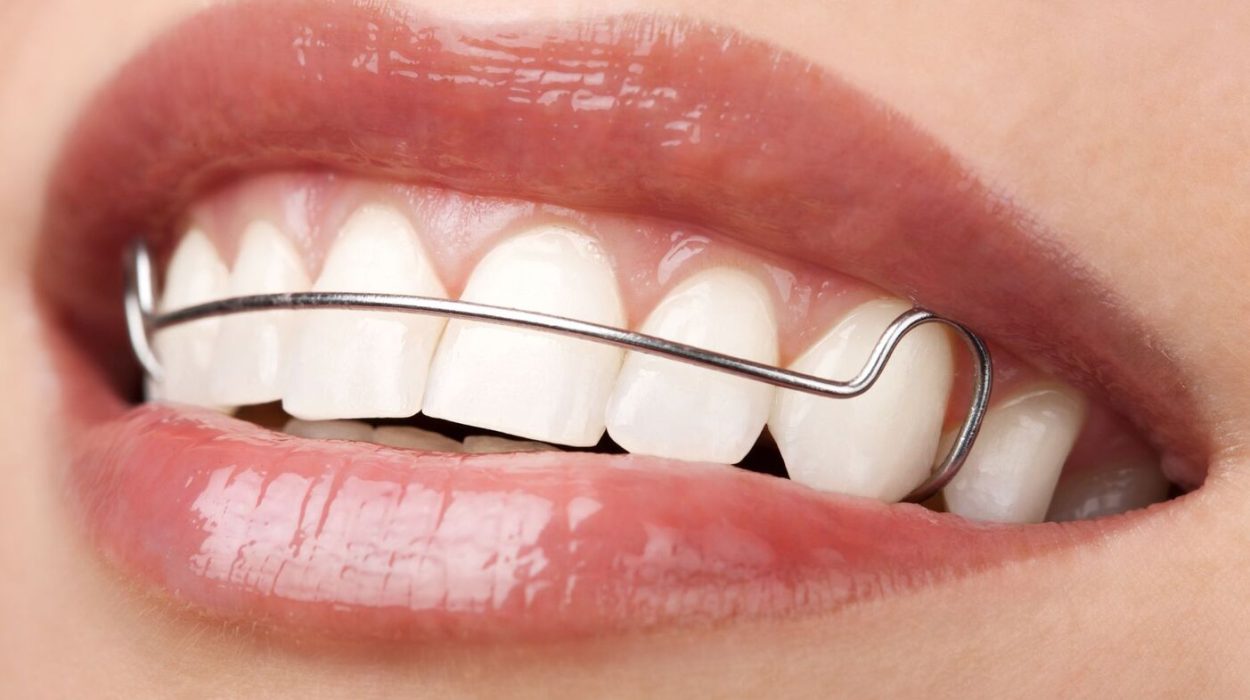
A Hawley retainer is a removable dental device made of an acrylic base and metal wires that holds teeth in their correct position after braces or aligners come off. Clear retainers offer a virtually invisible, comfortable fit, while Hawley retainers provide superior long-term durability and can be adjusted by your orthodontist. The right choice depends on your priorities: aesthetics and comfort, or durability and adjustability.
What Is a Hawley Retainer?
A custom-molded orthodontic appliance worn after braces or clear aligners to prevent teeth from shifting back to their pre-treatment positions. It consists of three main components:
- Acrylic Base: A custom-molded plastic piece that rests against the roof of your mouth (upper arch) or behind your lower teeth (lower arch).
- Labial Bow: A thin metal wire that crosses the front surface of your upper or lower front teeth to keep them aligned.
- Clasps: Metal hooks (like Adams or ball clasps) that anchor around your back molars for stability.
Clear vs. Hawley Retainer: Side-by-Side Comparison
| Feature | Clear Retainer | Hawley Retainer |
|---|---|---|
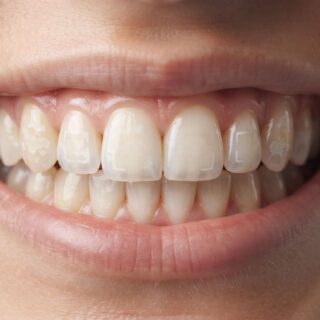
| Appearance | Nearly invisible — blends with teeth | Visible metal wire across front teeth |
| Lifespan | 1–2 years typically (thins, cracks, warps) | 5–10+ years with proper care |
| Adjustability | Cannot be adjusted — must be replaced entirely if teeth shift | Can be tightened or adjusted by your orthodontist for minor corrections |
| Comfort & Speech | Slim fit, minimal bulk, little to no speech impact | Bulkier — acrylic covers palate, may cause temporary lisp initially |
| Cleaning | Must be cleaned carefully; warps in hot water; prone to staining | More heat-resistant; easy to brush thoroughly with soap and water |
| Bite Protection | Does not protect against grinding (covers tooth surfaces) | Does not cover biting surfaces — natural bite contact preserved |
| Repairability | Cannot be repaired if cracked | Wire can be re-bent; acrylic can be patched or rebuilt |
| Cost | Moderate — often needs replacement every 1–2 years | Lower long-term cost due to longer lifespan and repairability |
Which One Should You Choose?
| If You… | Better Choice | Why |
|---|---|---|
| Want maximum discretion during the day | Clear retainer | Nearly invisible — no one notices it |
| Need long-term durability (5+ years) | Hawley retainer | Metal + acrylic construction lasts far longer |
| Grind your teeth at night | Hawley retainer | Doesn’t cover biting surfaces; separate night guard recommended for grinders |
| Want the option of minor adjustments later | Hawley retainer | Wire can be tightened if minor shifting occurs |
| Prioritize comfort and no speech changes | Clear retainer | Thinner profile, no palate coverage |
| Are on a tight budget long-term | Hawley retainer | One retainer can last 5–10 years vs. replacing clear retainers every 1–2 |
Wear Schedule: How Long Do You Need to Wear a Retainer?
| Phase | Duration | Wear Time |
|---|---|---|
| Full-time wear | First 3–6 months after braces removal | 20–22 hours/day (remove only for eating and brushing) |
| Transition | Months 6–12 | Gradually reduce to nighttime only, as directed by your orthodontist |
| Long-term maintenance | Indefinitely (for life, ideally) | Every night while sleeping — this is what keeps results permanent |
Skipping retainer wear — even for a few weeks — can allow teeth to shift. The longer you’ve been wearing your retainer consistently, the more stable your teeth become, but some degree of lifelong retention is recommended by most orthodontists.
How to Care for Your Retainer
For Hawley Retainers
- Clean daily with a soft toothbrush and mild soap (not toothpaste — it’s abrasive and can scratch the acrylic).
- Soak weekly in a retainer cleaning solution or a mix of water and white vinegar.
- Avoid heat: no hot water, no dishwashers, no leaving it in a hot car. Heat warps the acrylic.
- Always store in its case when not wearing it. Wrapping it in a napkin is the #1 way retainers get thrown away.
For Clear Retainers
- Rinse every time you remove it to prevent saliva from drying and causing odor.
- Clean with cool water only — hot water warps clear plastic permanently.
- Never soak in mouthwash — alcohol-based mouthwash can cloud and weaken the plastic.
- Replace on schedule: clear retainers wear thin over time. Plan for replacement every 1–2 years.
Signs Your Retainer Needs Attention
- The retainer feels loose or doesn’t snap into place firmly anymore.
- You notice teeth shifting or a gap appearing that wasn’t there before.
- Cracks or breaks in the acrylic or plastic.
- The wire is bent out of shape or poking your gums.
- Persistent bad odor despite regular cleaning.
If you notice any of these, see your orthodontist. A Hawley retainer can usually be repaired. A cracked clear retainer must be replaced. To explore orthodontic options or retainer services, visit our orthodontic treatment and braces page.
FAQ
How long do Hawley retainers last?
With proper care, a Hawley retainer typically lasts 5 to 10 years or more. The acrylic base and metal wire are durable and can be repaired or adjusted if needed, which extends their usable life significantly compared to clear retainers.
Are Hawley retainers better than clear retainers?
Neither is universally “better” — it depends on your priorities. Hawley retainers are more durable, adjustable, and cost-effective long-term. Clear retainers are more discreet and comfortable. Your orthodontist can recommend the best option based on your specific bite and lifestyle.
Do Hawley retainers affect speech?
Initially, yes — the acrylic that covers the palate can cause a slight lisp for the first few days. Most people adapt within a week. Reading aloud or practicing speaking helps speed up adjustment.
Can I eat with my Hawley retainer in?
No. Always remove your retainer before eating or drinking anything other than water. Food can damage the wire, stain the acrylic, and trap bacteria.
How often should I clean my retainer?
Daily. Brush it gently with a soft toothbrush and mild soap every time you take it out. Soak it in a retainer cleaning solution once a week for a deeper clean.
What happens if I stop wearing my retainer?
Your teeth will gradually shift back toward their pre-treatment positions. The speed of shifting varies, but even a few weeks without wear can cause noticeable movement, especially in the first year after braces removal.
Can a broken Hawley retainer be repaired?
Usually yes. A bent wire can be re-adjusted, and cracked acrylic can often be patched or rebuilt by your orthodontist or a dental lab. This is one of the key advantages over clear retainers, which cannot be repaired.
How much does a Hawley retainer cost?
Cost varies by region and complexity, but Hawley retainers are generally comparable to or slightly less expensive than clear retainers upfront — and significantly cheaper long-term because they last 5–10x longer and can be repaired instead of replaced.