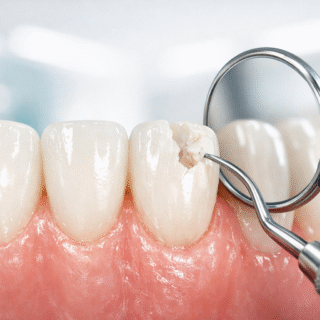
Diabetes is often associated with blood sugar management, heart health, and nerve damage, but its effects don’t stop there. It can also have a significant impact on your oral health, increasing the risk of gum disease, dry mouth, tooth decay, and other dental problems.
What many people don’t realise is that the relationship works both ways. While diabetes can make you more vulnerable to oral health issues, untreated gum disease may also make it more difficult to control your blood sugar. Understanding this connection is the first step toward protecting both your smile and your overall health.
In this blog, we’ll explain how diabetes affects your oral health, the warning signs to watch for, and the steps you can take to keep your teeth and gums healthy.
Understanding the Link Between Diabetes and Oral Health
Diabetes affects the body’s ability to regulate blood sugar. When blood sugar levels remain high, they can influence many parts of the body, including the mouth.
Higher glucose levels in saliva create an environment where harmful bacteria thrive. These bacteria combine with food particles to form plaque, increasing the risk of gum inflammation and infection. At the same time, diabetes can weaken the immune system, making it harder for your body to fight oral infections and slowing the healing process after dental procedures.
Diabetes and oral health are closely connected, with each condition influencing the other. Poorly controlled diabetes increases the likelihood of developing gum disease, while severe gum disease can make blood sugar levels more difficult to manage.
Common Oral Health Problems Caused by Diabetes
People with diabetes are more likely to experience a variety of oral health conditions, especially if their blood sugar isn’t well controlled.
Gum Disease
Gum disease is one of the most frequent oral health problems experienced by people with diabetes. It usually begins as gingivitis, causing redness, swelling, and bleeding gums. Without treatment, it can progress into periodontitis, a more serious infection that damages the tissues and bone supporting your teeth.
Learn more about the early warning signs of gingivitis and periodontal disease and why recognising symptoms early can help prevent long-term damage.
Dry Mouth
Diabetes may reduce saliva production, leading to dry mouth. Since saliva helps wash away bacteria and neutralise acids, a lack of it increases the risk of tooth decay, gum disease, and persistent bad breath.
Tooth Decay
Higher sugar levels in saliva provide fuel for harmful bacteria, increasing the likelihood of cavities, especially when combined with dry mouth.
Oral Thrush
People with diabetes are also more susceptible to oral thrush, a fungal infection that appears as creamy white patches inside the mouth. This is more common when blood sugar is poorly controlled or after taking certain medications.
Slow Healing
Cuts, sores, or dental treatment sites may take longer to heal because diabetes can reduce blood circulation and weaken the body’s natural healing response.
Why Diabetes Increases the Risk of Gum Disease
While anyone can develop gingivitis or periodontitis, people with diabetes are more likely to experience severe forms of these conditions, particularly when blood sugar levels are poorly controlled.
As plaque builds up along the gumline, the body’s immune response may struggle to control the infection effectively. Over time, inflammation can damage the gums and the bone supporting the teeth, increasing the risk of loose teeth and, in advanced cases, tooth loss.
Because gum disease can develop gradually, regular dental check-ups and good blood sugar management play an essential role in protecting your oral health.
Warning Signs You Should Never Ignore
Recognising symptoms early can help prevent minor problems from becoming serious dental complications.
Watch for signs such as:
- Bleeding when brushing or flossing
- Red, swollen, or tender gums
- Persistent bad breath
- Receding gums
- Loose teeth
- Dry mouth
- Mouth sores that heal slowly
- White patches inside the mouth
While these symptoms may seem mild at first, they can indicate underlying dental conditions that shouldn’t be ignored. For example, bleeding gums are often one of the earliest signs of gum disease rather than a normal result of brushing. Knowing why bleeding gums should never be ignored can help you seek treatment early and reduce the risk of more serious oral health problems.
How to Protect Your Oral Health If You Have Diabetes
Fortunately, there are several simple steps you can take to reduce your risk of dental complications.
- Keep your blood sugar levels under control.
- Brush your teeth twice a day using fluoride toothpaste.
- Floss daily to remove plaque between teeth.
- Stay hydrated to help combat dry mouth.
- Avoid smoking, as it significantly increases the risk of gum disease.
- Eat a balanced diet that supports both oral and overall health.
- Visit your dentist regularly for professional cleanings and examinations.
- Seek treatment promptly if you notice bleeding gums, swelling, or other unusual symptoms.
Good oral hygiene, combined with effective diabetes management, can significantly lower the risk of developing serious dental problems.
When to See a Dentist If You Have Diabetes
If you have diabetes, don’t wait until you’re experiencing severe pain before scheduling a dental appointment.
You should see a dentist if you notice:
- Bleeding gums that don’t improve
- Persistent swelling or tenderness
- Loose teeth
- Chronic bad breath
- Dry mouth that affects your comfort
- Mouth sores lasting longer than two weeks
- Frequent oral infections
Seeking professional care as soon as symptoms appear can make a significant difference. Early detection of dental problems allows many conditions to be treated before they become more serious, helping to protect both your oral health and your overall well-being.
At El-Shenawy Dental Clinics, we understand the close relationship between diabetes and oral health. Our experienced dental team provides comprehensive examinations to identify potential issues early and create personalised treatment plans tailored to your needs.
Make Oral Health Part of Your Diabetes Care
Maintaining good oral health plays an important role in managing diabetes. Simple habits like maintaining good oral hygiene, keeping your blood sugar under control, and attending regular dental check-ups can help reduce the risk of serious dental complications and support your overall well-being.
If you’ve noticed changes in your teeth or gums, don’t wait for the problem to worsen. Book an appointment with El-Shenawy Dental Clinics for a comprehensive dental examination and personalised care to help you maintain a healthy smile as part of your diabetes care.
Frequently Asked Questions
Can a dentist tell if you have diabetes?
In some cases, yes. Persistent gum disease, dry mouth, frequent oral infections, or slow-healing sores may be signs of undiagnosed diabetes. However, a medical diagnosis requires blood tests performed by a healthcare professional.
How frequently should people with diabetes have a dental check-up?
Most people with diabetes should have a dental check-up every six months. If you have gum disease or other oral health concerns, your dentist may recommend more frequent visits to monitor your oral health.
Can diabetes lead to tooth loss?
Yes. If gum disease isn’t treated, it can damage the gums and the bone supporting your teeth, increasing the risk of tooth loss. Early diagnosis and treatment can help prevent this complication.
- Can keeping my blood sugar under control improve my oral health?
Yes. Maintaining healthy blood sugar levels can lower your risk of gum disease, dry mouth, oral infections, and delayed healing, making it easier to keep your teeth and gums healthy.