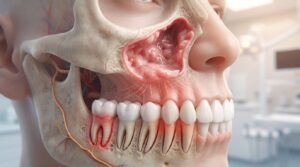
Many people assume that a dental filling is the right solution for every cavity or damaged tooth. While fillings are highly effective for repairing small to moderate areas of decay, they aren’t always the best long-term option. If a tooth has lost too much of its natural structure or has become weakened, a filling may not provide enough support to prevent further damage.
In these situations, your dentist may recommend a dental crown instead. Understanding the signs that indicate a crown may be a better choice can help you seek treatment before the problem becomes more serious. In this guide, we’ll explain how dentists decide between a filling and a crown and what symptoms you shouldn’t ignore.
Understanding the Difference Between a Dental Crown and a Filling
Both fillings and dental crowns are used to restore damaged teeth, but they serve different purposes.
A dental filling repairs a tooth by replacing the portion affected by decay or minor damage while preserving as much healthy tooth structure as possible. It’s typically recommended for smaller cavities where the remaining tooth is still strong.
A dental crown, on the other hand, covers the entire visible portion of the tooth. This provides additional strength and protection when the tooth has been significantly weakened by decay, fractures, or previous dental work.
If you’re unsure which treatment may be suitable for your tooth, learning about the different treatment options for tooth decay can help you better understand when a filling or a crown may be recommended.
Signs You May Need a Dental Crown Instead of a Filling
Every tooth is different, so only a dentist can determine the most appropriate treatment. However, the following signs may indicate that a dental crown could provide better long-term protection than a filling:
- You have a large cavity. When decay affects a significant portion of the tooth, there may not be enough healthy structure remaining to support a filling securely. A crown helps restore strength while protecting the tooth during everyday chewing.
- A large filling has already weakened the tooth. Teeth with large or multiple fillings become more vulnerable to fractures over time. If the filling needs repeated replacement, a crown may provide a stronger, longer-lasting solution.
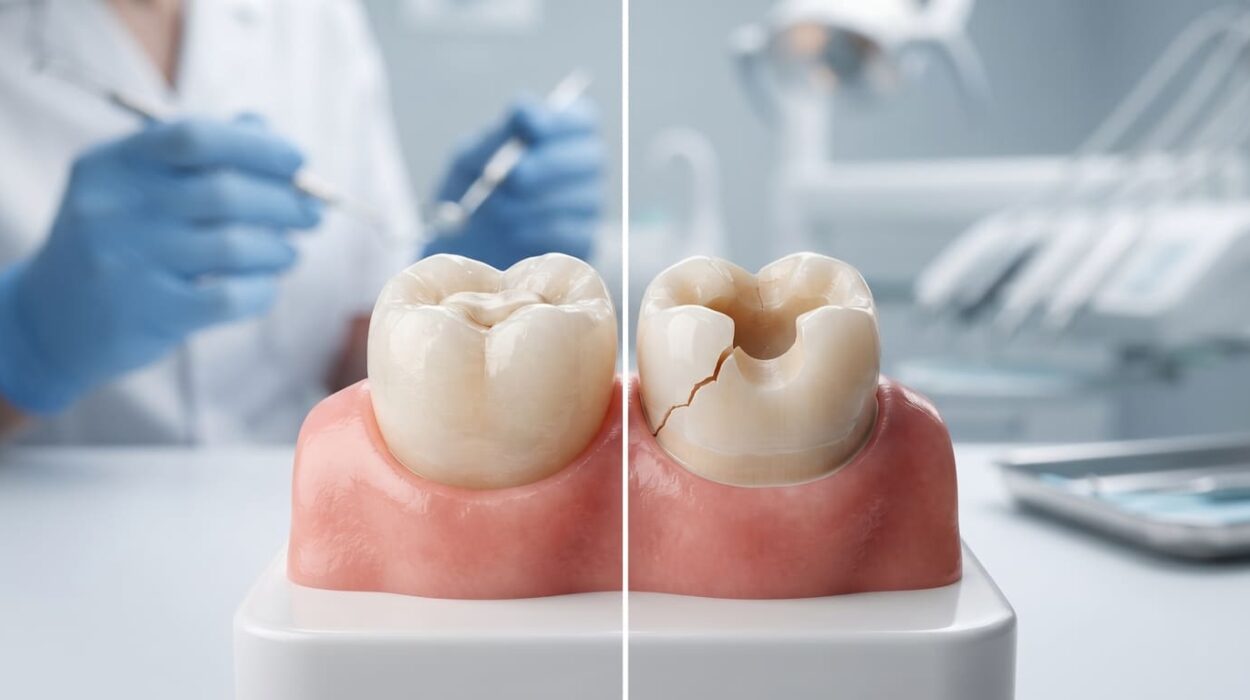
- Your tooth is cracked or fractured. Cracks can spread under normal biting pressure. Unlike a filling, which repairs only the damaged area, a crown covers the entire tooth to help protect it from further damage.
- Part of your tooth has broken off. If a large section of the tooth has chipped or fractured, a filling may not provide enough support. A crown restores the tooth’s shape, strength, and function.
- You’ve had root canal treatment. Root canal-treated teeth, particularly molars, are often more susceptible to fractures. Depending on the amount of healthy teeth remaining, your dentist may recommend a crown to improve long-term durability.
- Your filling keeps falling out or failing. Repeated filling failures may indicate that the tooth can no longer support another filling. In these cases, a crown often provides a more reliable restoration.
How Dentists Determine the Right Treatment
Choosing between a filling and a dental crown isn’t based solely on the size of a cavity. Your dentist carefully evaluates several factors before recommending the most suitable treatment.
These include:
- How much healthy tooth structure remains
- The size and location of the damage
- Whether the tooth has any cracks or fractures
- Previous fillings or restorations
- The amount of pressure placed on the tooth during chewing
- The likelihood of future fractures
Every treatment plan is personalised to preserve as much natural tooth as possible while ensuring the tooth remains strong enough for everyday use.
What Happens If You Delay Getting a Crown?
Delaying treatment may allow the tooth to become weaker over time. Small cracks can spread, weakened cusps may fracture, and large fillings may eventually fail completely.
As the damage progresses, treatment may become more complex and could require root canal therapy or, in severe cases, tooth extraction.
Understanding how dental crowns restore damaged teeth can help you appreciate why treating weakened teeth early often leads to better long-term outcomes.
What Happens During the Dental Crown Procedure
Receiving a dental crown usually involves two appointments.
During the first visit, your dentist will examine the tooth, remove any damaged or decayed tissue, and carefully shape it to accommodate the crown. An impression or digital scan is then taken so your custom crown can be created.
While your permanent crown is being fabricated, you’ll usually wear a temporary dental crown to protect the prepared tooth and maintain its function.
At your second appointment, your dentist checks the fit, colour, and bite before securely bonding the permanent crown into place.
Don’t Ignore the Signs of a Weakened Tooth
A damaged tooth doesn’t always need a crown, but recognising the warning signs early can help prevent more serious problems. If you have a large cavity, a cracked tooth, repeated filling failures, or a tooth that has become noticeably weaker, it’s worth having it professionally assessed before the damage worsens.
At El-Shenawy Dental Clinics, our experienced dentists carefully evaluate each tooth to determine whether a filling or a dental crown offers the best long-term solution. We focus on preserving your natural teeth whenever possible while providing durable, personalised treatment tailored to your needs.
If you’re experiencing any of these signs, schedule a dental assessment at El-Shenawy Dental Clinics. We’ll determine whether a filling or a dental crown is the most appropriate treatment to restore your tooth’s strength and function.
Frequently Asked Questions
- Can a filling be replaced with a dental crown?
Yes. If a filling is no longer providing adequate support or the tooth has become weakened, it can often be replaced with a dental crown.
- Is a dental crown stronger than a filling?
Generally, yes. Because a crown covers the entire visible portion of the tooth, it provides greater structural support than a filling for teeth that have been significantly damaged or weakened.
- Does every root canal-treated tooth need a crown?
Not always. It depends on the tooth’s condition and location. Back teeth are more likely to need crowns because they endure greater chewing pressure.