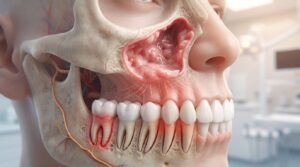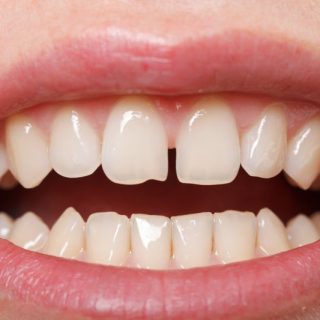
Research shows that many adults lose at least one permanent tooth during their lifetime, often affecting chewing, speech, and facial appearance over time. As these effects become more noticeable, choosing a dental treatment can feel overwhelming, especially for patients who value comfort, appearance, and solutions that fit naturally into their daily lives.
Removable dental appliances offer this flexibility, allowing patients to benefit from treatment while maintaining control over eating, cleaning, and daily comfort. With many types of removable dental prosthetics available today, accurate dental diagnosis becomes essential to determine which option is most suitable for each individual case.
When carefully planned and professionally monitored, removable dental appliances can improve function and appearance while preserving comfort, confidence, and long-term oral health.
What Are Removable Dental Appliances?
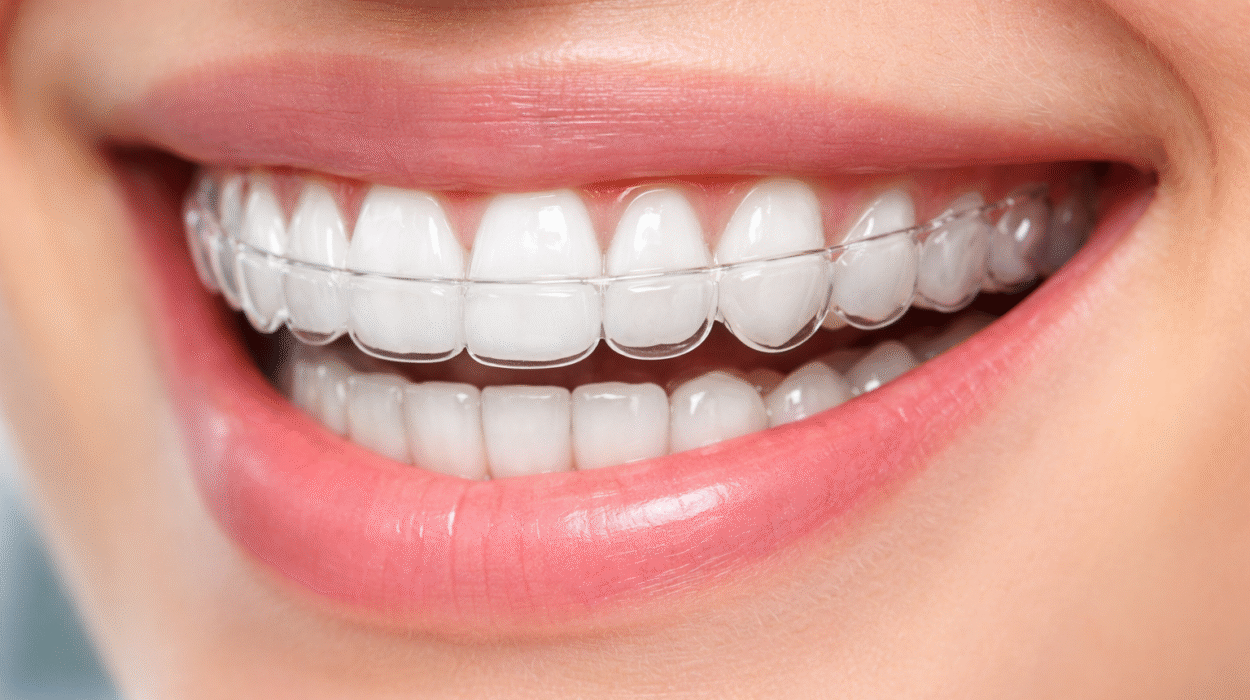
Removable dental appliances are dental devices designed to be worn inside the mouth and taken out by the patient when needed. They are custom-made to fit the teeth and gums and are prescribed to restore function, improve appearance, or support orthodontic treatment.
Unlike fixed dental appliances, which are permanently attached to the teeth, removable appliances can be taken out for cleaning, eating, or specific daily activities. This makes them a flexible option for patients who want effective treatment while maintaining good oral hygiene and comfort.
These removable appliances are used for different purposes, including replacing missing teeth, guiding tooth movement, maintaining orthodontic results, or supporting jaw development in growing patients. The exact type and design depend on the patient’s condition, age, and treatment goals, which is why proper assessment and customization are essential.
The Main Types of Removable Dental Prosthetics
Removable dental prosthetics are selected based on the number of missing teeth, oral health condition, and patient preferences. Common types include:
- Complete dentures: Used to replace all missing teeth in the upper or lower jaw. They are suitable for fully edentulous patients and are often chosen when dental implants are not preferred or not indicated.
- Partial dentures: Replace a limited number of missing teeth and are supported by remaining natural teeth using metal or acrylic clasps, helping maintain tooth alignment and function.
- Implant-supported overdentures: A removable option stabilized by dental implants, offering improved retention, comfort, and chewing efficiency compared to traditional dentures.
Why Many Patients Choose Removable Dental Appliances
Patients often prefer removable dental appliances because they:
- Allow easier daily cleaning and oral hygiene
- Offer flexibility during eating and social activities
- Are less invasive than many fixed treatment options
- Can be adjusted as oral conditions change
- Suit a wide range of ages and dental needs
Limitations to Consider Before Choosing Removable Appliances
Before choosing a removable dental appliance, patients should be aware that:
- Consistent daily wear is required for effective results
- A short adjustment period may affect comfort or speech
- Removable appliances may feel less stable than fixed options
- Not all dental conditions can be effectively treated with removable solutions
Who Is an Ideal Candidate for Removable Prosthetics?
Removable dental prosthetics can be suitable for a wide range of patients, depending on clinical needs and individual circumstances. They are commonly recommended for:
- Patients with one or more missing teeth who are not candidates for fixed bridges or implants
- Children and adolescents requiring orthodontic or functional appliances
- Adults seeking flexible or temporary tooth replacement solutions
- Older patients looking for functional restoration with easier maintenance
A thorough dental assessment is essential to determine whether removable prosthetics are the most effective option for each case.
How to Care for Removable Dental Appliances
To keep removable prosthetics comfortable and effective, patients should follow these care tips:
- Clean the appliance daily using a soft brush and non-abrasive cleanser
- Rinse thoroughly after meals to remove food debris
- Remove the appliance before sleeping unless otherwise advised
- Store it in a clean, dry case when not in use
- Avoid hot water, which may distort the appliance
- Schedule regular dental checkups for adjustment and evaluation
Proper care helps extend appliance lifespan and protects overall oral health.
Removable or Fixed Dental Appliances: Which Is Better?
| Aspect | Removable Appliances | Fixed Appliances |
| Flexibility | Can be removed when needed | Permanently attached |
| Oral hygiene | Easier daily cleaning | Requires more detailed cleaning |
| Comfort | Adjustable and adaptable | Constant presence in the mouth |
| Treatment control | Depends on patient compliance | Works continuously |
| Case suitability | Mild to moderate cases | More complex cases |
The most suitable option depends on accurate diagnosis, treatment goals, and patient lifestyle.
The Role of Proper Diagnosis in Treatment Planning
Choosing the right removable dental appliance depends on more than preference alone. With multiple types of removable dental prosthetics available, accurate diagnosis plays a critical role in determining which option will provide stable, functional, and long-term results. Factors such as bone condition, remaining teeth, bite alignment, and patient habits must all be carefully evaluated.
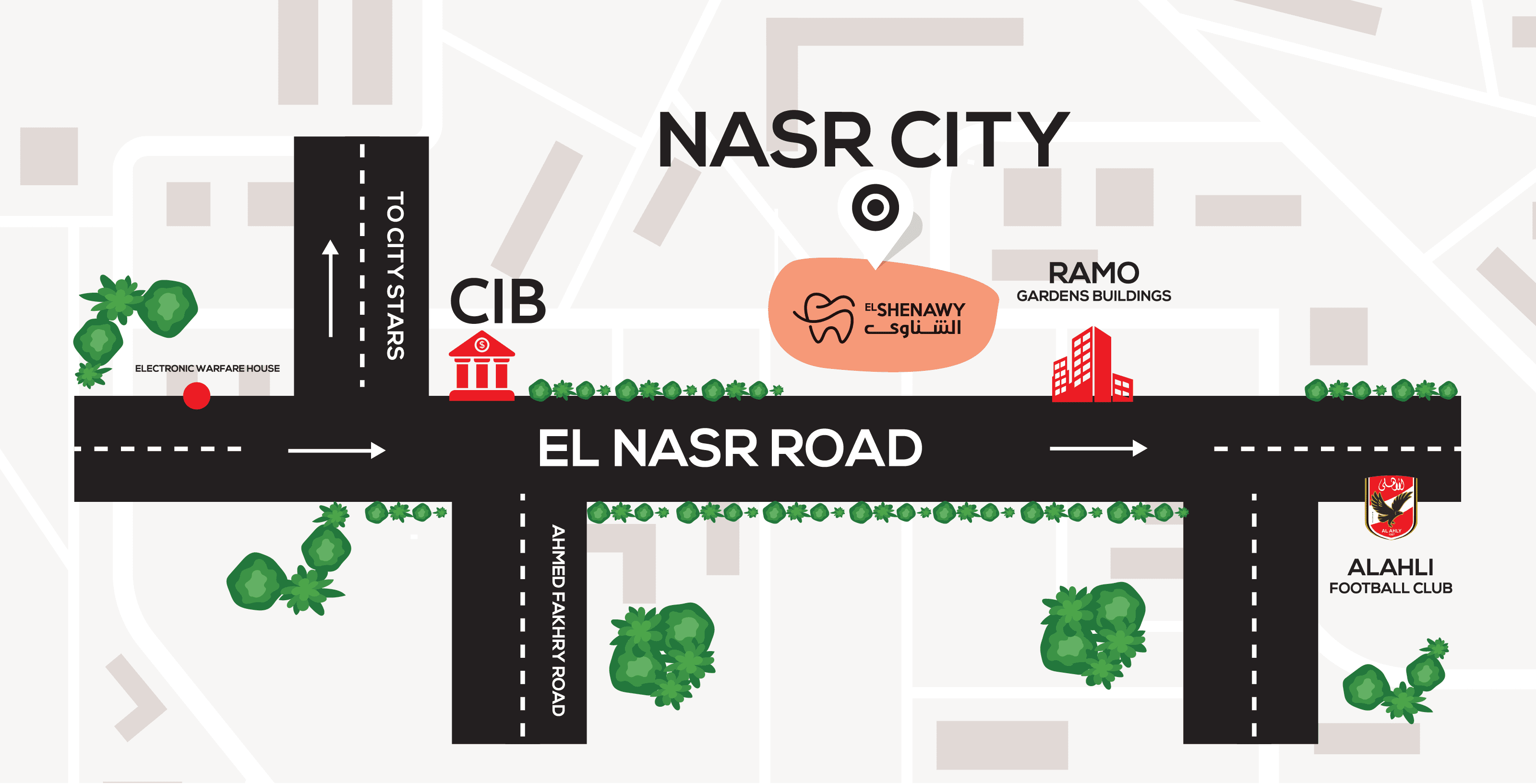
At El-Shenawy Dental Centers, treatment planning begins with a comprehensive clinical assessment to match each patient with the most suitable type of removable prosthetic. This structured approach helps avoid improper selection, improves comfort and function, and supports better long-term oral health outcomes.
Book a consultation today to receive a personalized evaluation and determine the most suitable dental appliance for your needs.
Frequently Asked Questions
- What materials are removable dental prosthetics made from?
Removable dental prosthetics are commonly made from acrylic resin, metal frameworks, or flexible materials. The choice of material depends on durability needs, comfort, aesthetics, and the specific dental case.
- How long do removable dental prosthetics last?
Many removable dental prosthetics last between 5 and 10 years, depending on the type of appliance, oral changes, and level of care.
- Will removable dental appliances affect speech or eating?
Some patients experience a short adjustment period. Speech and chewing usually improve as the mouth adapts and with proper appliance fitting.
- How do I know which type is right for me?
Choosing between different types of removable dental prosthetics requires a clinical evaluation to assess oral health, bone condition, and functional needs.