Would you know when a simple toothache becomes something more serious? For many people, that line is not always clear until the symptoms become difficult to ignore.
A dental abscess can begin with mild discomfort but quickly develop into an infection that affects surrounding tissues and overall health. What makes it challenging is how easily it can be mistaken for a minor issue in its early stages.
Recognizing the warning signs and knowing when the situation requires urgent care can make a critical difference in protecting both your tooth and your health.
Why a Dental Abscess Should Never Be Ignored
A dental abscess should never be ignored because the infection does not remain limited to one area. As it develops, it can spread beyond the affected tooth and begin to involve surrounding tissues.
What may start as manageable discomfort can quickly become more serious, especially as pressure builds and the infection progresses. Without timely treatment, the condition continues to worsen rather than stabilize.
Addressing the problem early is key to preventing more complex complications and avoiding the need for more extensive treatment later on.
How a Dental Abscess Develops and Spreads
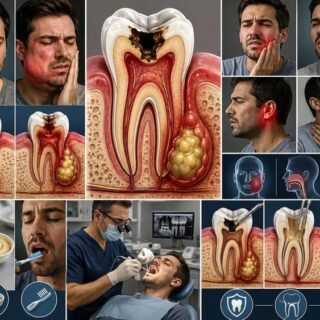
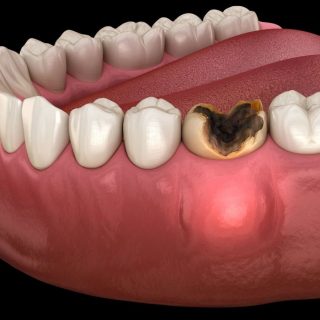
A dental abscess begins when bacteria enter the inner layers of the tooth or surrounding gum tissue, often through decay, a crack, or gum disease. Once inside, the bacteria multiply in a confined space, leading to the formation of pus.
As the infection builds, pressure increases within the tooth or gum, which is often what triggers the initial pain. From there, the infection can extend beyond the original point, moving from the tooth root into the surrounding bone and nearby tissues.
Warning Signs of a Dental Abscess
Early Symptoms You Shouldn’t Ignore
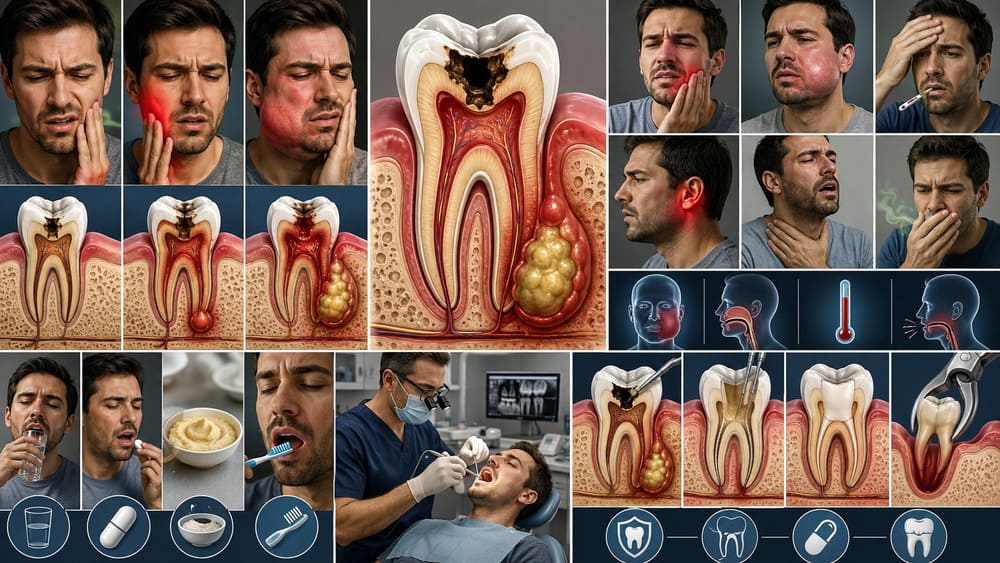
In the early stages, a dental abscess may present as a persistent toothache or sensitivity to hot and cold foods. You might also notice mild swelling in the gums or discomfort when chewing. At this stage, the symptoms can seem manageable, which is why they are often overlooked.
Signs the Infection Is Becoming More Serious
As the infection progresses, symptoms tend to become more intense and harder to ignore. Pain may become constant and spread to the jaw, ear, or surrounding areas. Swelling can increase, affecting the face or jaw, and you may notice a bad taste in the mouth or develop a fever.
These changes suggest that the infection is no longer limited to one area and may require prompt attention.
When Is a Dental Abscess an Emergency?
A dental abscess becomes an emergency when the infection begins to affect areas beyond the tooth and starts interfering with normal functions or overall health. At this stage, waiting is no longer a safe option, and immediate care is necessary.
Seek urgent medical attention if you notice any of the following:
- Swelling that spreads to the face, jaw, or around the eye.
- Difficulty breathing or swallowing.
- Fever or a general feeling of being unwell.
- Severe, persistent pain that continues to worsen.
- Difficulty opening your mouth or speaking comfortably.
These signs may indicate that the infection is no longer localized and could be spreading to deeper tissues or other parts of the body.
What Happens If You Delay Treatment?
Delaying treatment allows the infection to continue affecting the surrounding structures of the tooth. As it progresses, the damage may extend beyond the initial site, making the condition more complex to manage.
One of the most common outcomes is the loss of the affected tooth, especially when the infection reaches deeper layers or weakens the supporting structures. In some cases, the surrounding bone can also be involved, which may impact nearby teeth and overall oral stability.
As the infection advances, swelling may become more pronounced and begin to affect the face or jaw, making everyday activities like eating or speaking more difficult.
In more severe situations, the infection can move beyond the oral area and enter the bloodstream, which may lead to serious health complications that require urgent medical attention.
Immediate Care Steps for a Dental Abscess
If you suspect a dental abscess, the priority is to limit the infection and seek professional care as soon as possible. While home measures can help manage discomfort temporarily, they do not treat the source of the problem.
What you can do right away
- Rinse your mouth gently with warm salt water to help reduce irritation
- Take over-the-counter pain relievers to manage discomfort
- Stick to soft foods and avoid chewing on the affected side
- Keep the area as clean as possible with regular brushing
If you notice increasing swelling, fever, or any difficulty breathing or swallowing, seek urgent medical attention without delay.
In all cases, the most important step is to have the infection properly evaluated and treated by a dental professional
How Dentists Treat a Dental Abscess
Treatment focuses on removing the source of infection and relieving pressure, rather than simply managing the symptoms. The approach depends on the location of the abscess and how far the infection has progressed.
In many cases, the first step is to drain the abscess. This allows the trapped pus to be released, helping to reduce pressure and relieve pain.
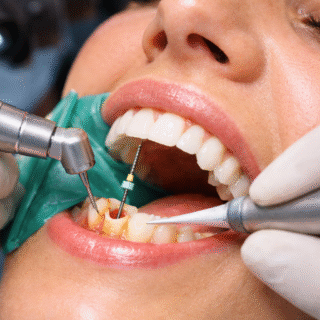
If the infection originates from inside the tooth, a root canal treatment is often performed. This involves removing the infected tissue, cleaning the inside of the tooth, and sealing it to prevent reinfection while preserving the natural tooth.
When the tooth cannot be saved, extraction may be necessary to fully eliminate the source of infection.
In some situations, antibiotics may be prescribed to help control the infection, particularly if it has started to spread. However, antibiotics alone are not a complete solution, as they do not address the underlying cause.
The most appropriate treatment is determined after a proper examination, ensuring the infection is managed effectively and the risk of recurrence is minimized.
Get Fast, Safe Treatment at El-Shenawy Dental Centers
A dental abscess needs to be dealt with at its source. Managing the pain alone is not enough. What matters is stopping the infection, relieving the pressure, and preventing it from spreading further.
At El-Shenawy Dental Centers, the focus is on identifying exactly where the infection is coming from and treating it in the most direct and effective way.
Care is delivered using modern diagnostic tools and precise treatment techniques, allowing the team to act quickly and with control, especially in cases where symptoms are already progressing.
Book your appointment now and address the infection before it progresses further.
Frequently Asked Questions
- Can a Dental Abscess Heal on Its Own?
No. A dental abscess cannot heal on its own because the source of the infection remains.
- How long can I wait before treating an abscess?
You should not wait. A dental abscess can worsen quickly, and delaying treatment increases the risk of complications and more complex procedures.
- Can antibiotics alone fix a dental abscess?
No. Antibiotics may help control the spread of infection, but they do not eliminate the source.